
Menu
London's trusted window installation service — call us for a free site survey.

Get a quote
Traditional sash windows are often criticized for heat loss, but with modern restoration techniques, they can become some of the most thermally efficient features of your home.
No obligation · Free site survey · Reply within hours




As Energy Efficient Sash Windows London specialists, we know that Golden Ratio Sash Windows & Doors specializes in high-performance Sash Window Restoration designed for London's unique period architecture.
As Energy Efficient Sash Windows London specialists, we know that Traditional sash windows are often criticized for heat loss, but with modern restoration techniques, they can become some of the most thermally efficient features of a UK home. At Golden Ratio Sash Windows & Doors, we combine 18th-century aesthetics with 21st-century insulation standards.
As Energy Efficient Sash Windows London specialists, we know that The energy efficiency of a window is measured by its U-value (the rate of heat transfer). The lower the number, the better the insulation. Below is how our upgrades transform your home's performance:
| Window Type | Estimated U-Value | Efficiency Rating |
|---|---|---|
| Original Single Glazing | 5.8 W/m²K | Poor |
| Restored + Draught Proofed | 4.2 W/m²K | Fair |
| Slimline Double Glazing (Heritage) | 1.4 W/m²K | Excellent |
Air leakage is the primary cause of discomfort. Our specialists install hidden weather-stripping into the staff and parting beads. This "overhaul" eliminates rattles and draughts while maintaining the window's smooth sliding mechanism.
We believe that energy efficiency should never compromise architectural integrity. By applying the Golden Ratio (1:1.618) to our joinery, we ensure that the proportions of the frame, glass, and timber meet the original design intent while maximizing thermal gain.
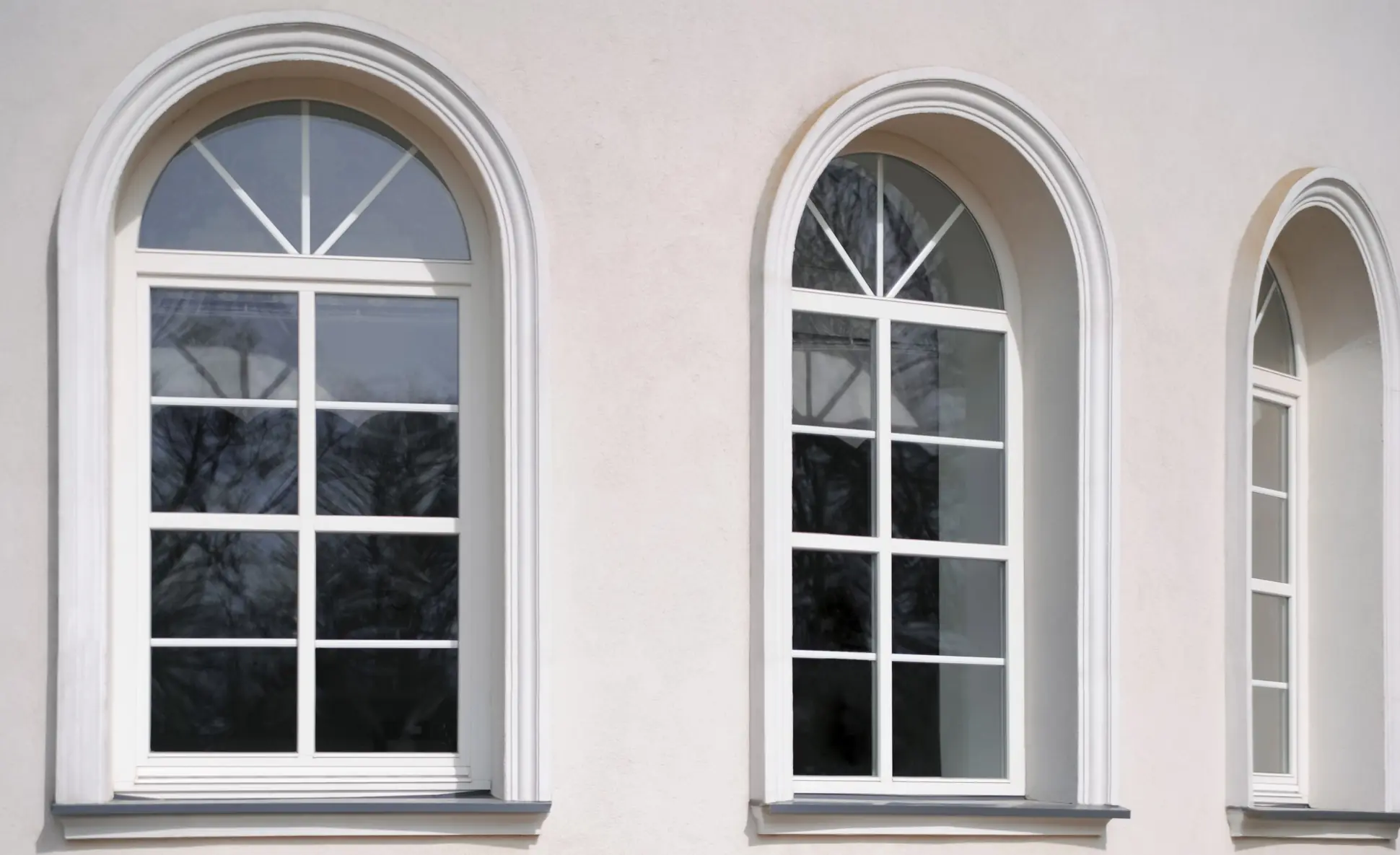
Upgrading your windows can improve your home's EPC rating and significantly reduce heating costs. We offer free technical surveys across London.
Book Your Site Survey →In most cases, yes. We specialize in "Architecturally Correct" slimline units that mimic the appearance of single glazing, making them acceptable to local planning authorities.
Absolutely. Draught-proofing is the most cost-effective way to improve comfort. It eliminates the "chilly" feeling caused by air infiltration and can reduce heating loss by up to 30%.
Stop throwing money out the window. Get in touch for expert advice and a free, no-obligation survey to see how we can improve your thermal efficiency.
218 Hornsey Road, London, N7 7LL
Fill in the form and we'll get back to you within one business day — usually much sooner.
