
Menu
London's trusted window installation service — call us for a free site survey.

Get a quote
If a "new" sash window is still draughty, sticking, or noisy, the problem usually isn't the window — it's how it was fitted. Here's what to look for.

No obligation · Free site survey · Reply within hours





We're called out to inspect windows fitted by other companies more often than you'd think. In most cases, the timber and the glass are fine — the problem is how the window was surveyed, measured, and fitted.
Not sure whether your window needs repair or replacement? See our repair vs. replace decision guide before booking any work.
A sash window is a precision-fitted mechanism, not a static frame. The box, the sashes, the weights, the cords, and the seals all have to work together within millimetres of tolerance for the window to run smoothly and keep the weather out. When an installer rushes the survey, mismeasures the opening, or skips proper draught-proofing to save time, the window can look perfectly fine on the day it's fitted — and then start causing problems within months. Below are the tell-tale signs, what's usually causing them, and what to do next.
This is the single most common complaint we hear about recently installed windows. If you can feel air moving around the sashes, or the window rattles in the wind, it almost always means the brush seals weren't fitted correctly, the parting bead clearance is wrong, or the sash simply isn't sitting tight in its frame. A correctly installed timber sash window, with proper draught-proofing, should be silent and draught-free — regardless of whether it's a repair, restoration, or full replacement.
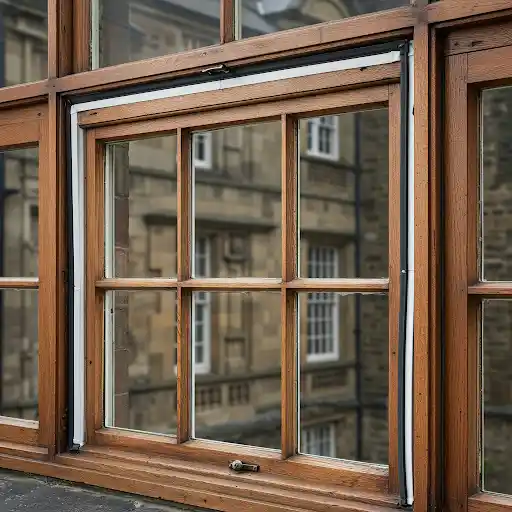
If this sounds familiar, don't assume the window needs replacing again — see our draught-proofing guide for what a correct fix actually involves.
A sash window is balanced by weights running on cords inside the box frame, calibrated to the exact weight of that specific sash. If a sash sticks part-way, slowly drops once opened, or feels stiff to lift, the most common cause is a frame that wasn't installed square — even a couple of millimetres out can bind the whole mechanism. Incorrectly matched counterweights from a rushed installation cause the same symptoms.

This is one of the more diagnosable faults from other installers' work. Read more in our guide to sash windows that are stuck or won't open.
Look closely at where the window frame meets the surrounding brickwork or reveal. Gaps you can see daylight through, or that let you fit a fingernail into, mean the opening wasn't properly measured or the frame wasn't packed and sealed correctly during fitting. This isn't just a draught issue — it's a route for water ingress that can rot the surrounding timber and brickwork over time if left unaddressed.
A correctly fitted frame should have a consistent, sealed reveal all the way round, finished with an appropriate mastic or pointing detail — not expanding foam visible from the outside, which is a common shortcut on rushed jobs.
A small amount of condensation on the inside face of the glass in cold weather is normal. Damp patches on the plaster around the frame, a musty smell, or condensation that keeps returning after you've wiped it away are different — they point to a sealing failure at the frame-to-wall junction, or ventilation that wasn't properly considered when the window was specified.
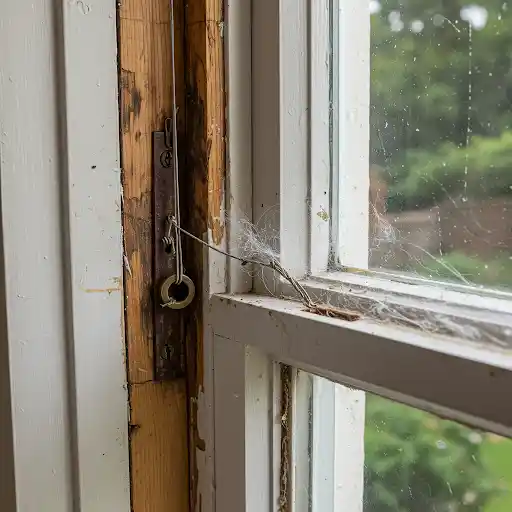
See our full breakdown of the three types of condensation on sash windows and what causes each one before assuming the window itself is defective.
Glazing bars that don't line up between the upper and lower sash, or a frame that looks visibly out of square from the street, usually means the opening wasn't checked for square before the window was ordered. On a terrace of matching properties, this is often the most obvious giveaway of a rushed job.
Fresh paintwork splitting along a joint within the first year or two is rarely a paint quality issue. It's usually a sign the joinery wasn't allowed to fully condition before painting, or that movement in a poorly fitted frame is stressing the joint every time the window is used.
If you paid for double glazing or acoustic glass specifically to cut down street noise and it hasn't made much difference, the seal around the frame — not the glass — is often the weak link. Sound leaks through gaps far more easily than it passes through glazing.
Replacement windows are required to provide background ventilation under Building Regulations, usually via trickle vents. Installers sometimes omit these to preserve appearance or simply overlook them, which can be a compliance issue at the point of sale and cause condensation problems in the room.
Almost every symptom above traces back to one of three places: a rushed or inaccurate survey, incorrect measurements carried through to manufacture, or corners cut during fitting to save time on site. Timber sash windows are less forgiving of shortcuts than modern uPVC casements — the weight-and-pulley mechanism, the box frame, and the multiple moving parts all need to be measured and fitted with genuine precision, not eyeballed.
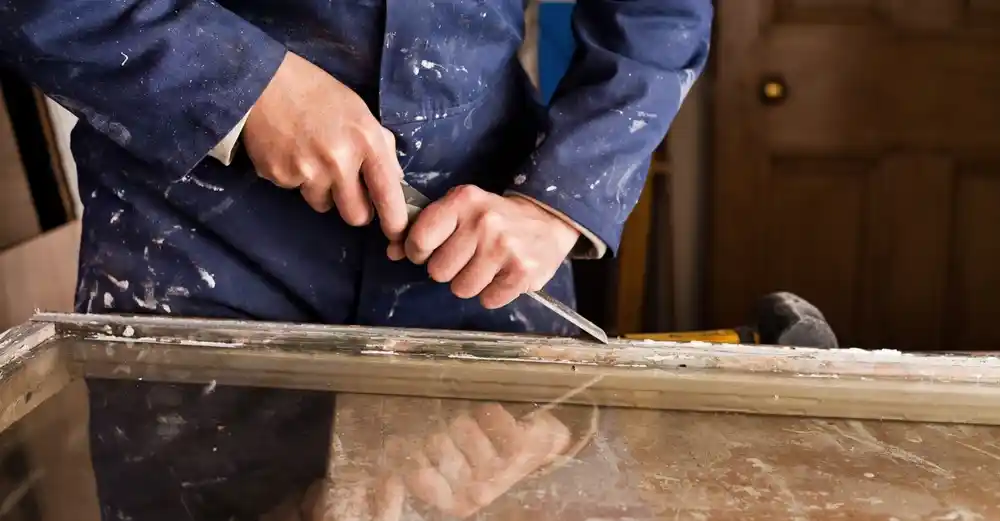
A window can look excellent in photographs — good timber, neat paintwork, correct horns and glazing bars — and still be badly installed. The problems that come from a poor fit are functional, not visual, and they often only become obvious weeks or months after the installer has moved on to the next job.
The good news is that most poor-installation problems don't mean starting again from scratch. If the sashes and frame themselves are sound, the fix is often re-hanging the sash correctly, replacing the draught-proofing properly, or re-sealing the reveal — all far cheaper than a full replacement. A full replacement only becomes necessary if the frame itself was cut to the wrong size, or if repeated poor repairs have caused genuine structural damage.
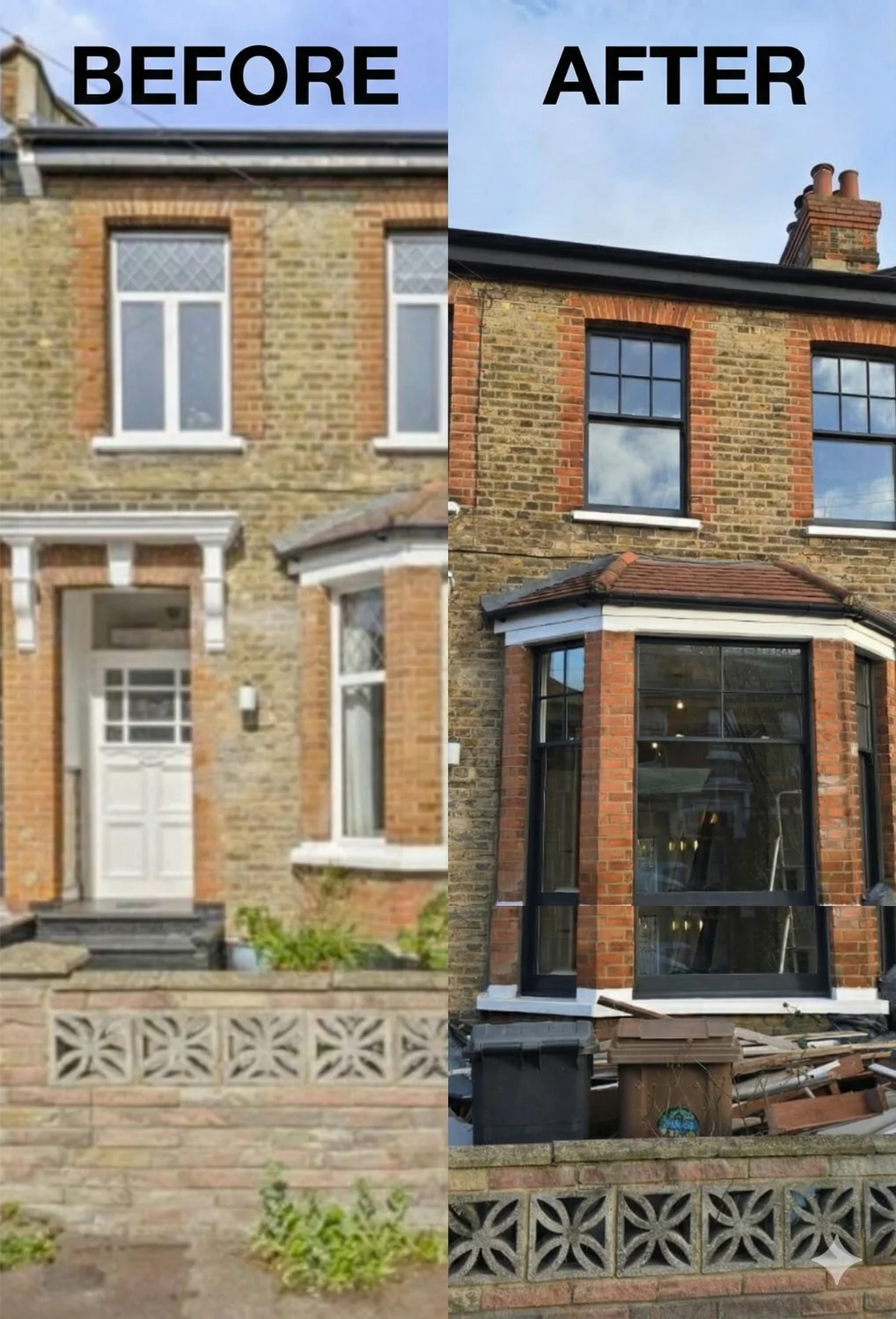
We offer a free diagnostic survey specifically for windows fitted by other companies, so you get an honest answer before spending anything. See our repair or replace guide for how we make that call, and what each route typically costs.
Whether you're getting a repair, restoration, or full replacement, these questions tend to separate a careful installer from a rushed one:
See our own 10-point installation guarantee for what we commit to on every job.
A new sash window should not be draughty. If it is, the most common cause is incorrectly fitted or missing brush seals, or a sash that isn't sitting tightly in its frame due to a measurement or fitting error. This is a fixable installation fault, not something you need to live with.
In most cases, yes. If the frame and sashes are sound, correcting draught-proofing, re-hanging a sash, or re-sealing the reveal usually resolves the problem without needing to replace the window entirely. A full replacement is only needed if the frame was manufactured to the wrong dimensions or has sustained structural damage.
The most common signs are draughts or rattling, a sash that sticks or drops, visible gaps around the frame, recurring condensation or damp near the reveal, crooked sightlines, and paint cracking prematurely at the joints. Any of these on a recently installed window points to a fitting or survey error rather than a fault with the window itself.
In most cases, yes — replacement windows are required to provide background ventilation under Building Regulations, usually via trickle vents, unless equivalent ventilation is already present in the room. A properly registered installer will factor this in at survey stage rather than adding it as an afterthought.
If the window is still within its guarantee period, raise it with the original installer first, ideally in writing. If they're unresponsive, or you want an honest second opinion before deciding how to proceed, an independent diagnostic survey is worthwhile — it gives you clear evidence of the fault and a professional's view on what caused it.
Get in touch for a free diagnostic survey — we'll tell you honestly whether it's a quick fix or something more, with no obligation.
218 Hornsey Road, London, N7 7LL
Fill in the form and we'll get back to you within one business day — usually much sooner.
