
Menu
London's trusted window installation service — call us for a free site survey.

Get a quote
Expert guide to navigating Grade II listed building regulations for windows in London. Learn about listed building consent, sash window restoration, vacuum glass upgrades, and how to modernise your heritage property compliantly.


No obligation · Free site survey · Reply within hours




As Listed Building Window Repair London specialists, we know that Your complete guide to heritage window rules — from Listed Building Consent and the "repair-first" principle to approved glazing solutions and Accoya® timber.
As Listed Building Window Repair London specialists, we know that Navigating heritage rules? Golden Ratio specializes in Grade II Listed Sash Window Restoration across London.
As Listed Building Window Repair London specialists, we know that Owning a Grade II listed property in London—whether it's a Georgian townhouse in Islington or a Victorian terrace in Hampstead—is a huge responsibility. It's about stewardship. When you start thinking about renovating, the regulations can feel like a brick wall. But they're actually there to protect the "special interest" of your home. If you go in with the right approach (and the right joinery), you can upgrade your comfort without losing the building's soul.
What we'll cover:
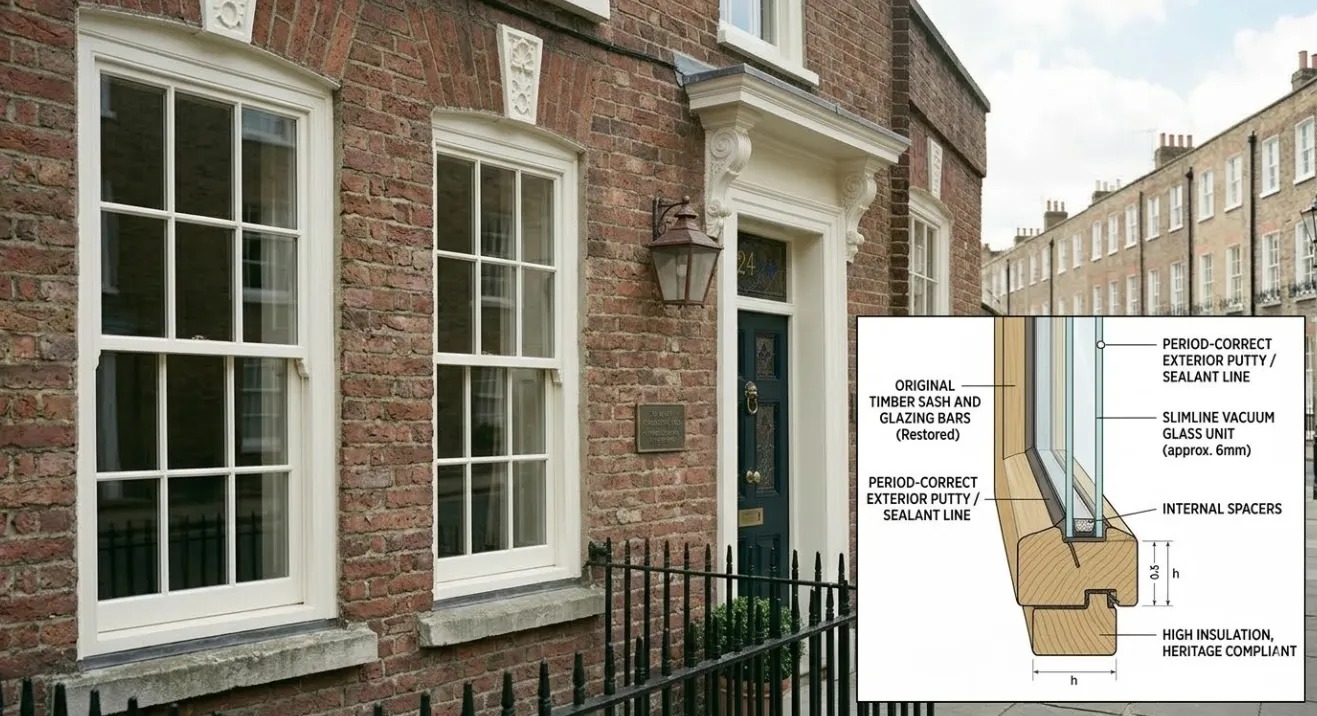
The primary goal of a Grade II listing is preservation. Planning officers in boroughs like Camden, Westminster, and Kensington & Chelsea almost always start with a "repair-first" mindset. If the original timber is salvageable, they'll want you to fix it, not bin it.
We see a lot of sash windows that look like they're past saving, but you'd be surprised what a master joiner can do. We use traditional techniques—proper tenon and mortise joints, matching profiles—to save as much of the original fabric as possible. This isn't just about aesthetics; it's about staying compliant with sash window repair guidelines.
Required for any change to the "fabric" of the building. Always check with your local council before starting any work on windows or doors in a Grade II listed property. See how the Grade 2 listed building window replacement planning process actually works, with a real case study.
Generally accepted by heritage officers if the glazing unit is under 12mm thick. Maintains the slim profile of original sash windows while improving thermal performance.
The gold standard for ultra-thin, high-efficiency glazing at just 6-8mm thick. Delivers triple-glazed performance while fitting into original sash profiles.
Sustainable, modified wood that doesn't shrink or swell. Heritage officers favour it because it lasts 50+ years, reducing the need for future interventions.
This is the big one. Standard 20mm or 24mm double glazing is usually a "no" for listed buildings. It's too thick, and it requires chunky glazing bars that ruin the slim profile of a Georgian sash. We get around this by using Vacuum Glass (LandVac) or ultra-slim heritage units.
Vacuum glass is incredible—it's only 6mm to 8mm thick (about the same as a single pane) but it has the thermal performance of a triple-glazed unit. It's a game-changer for energy efficiency. Officers love it because it fits into existing sashes, preserving the original look while stopping the draughts.
If the frames are truly rotted and sash window replacement is the only option, material choice is non-negotiable. We almost always recommend Accoya®. It's a modified wood that doesn't shrink or swell. Heritage officers favour it because it means the new joinery will actually last for 50+ years, reducing the need for future interventions.
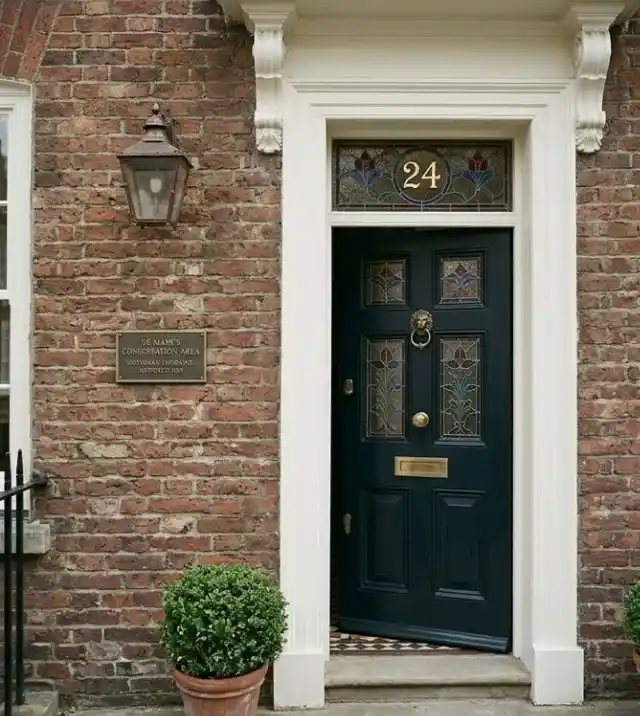
It's becoming easier, but only if you use the right tech. Standard units will be rejected. You need Vacuum Glass or Slimline Heritage units (under 12mm). We've had a high success rate getting these through London planning departments because they maintain the slim profile of the original windows.
If you're doing "like-for-like" maintenance—basically fixing what's there without changing the look or materials—you usually don't need formal consent. However, the moment you change the glazing or swap out whole components, you need to talk to your local council. Don't risk it; carrying out unauthorized work is a criminal offense.
It means the new window must be an exact copy of the old one in terms of material, profile, and finish. If you have timber windows, you replace them with timber. If the glazing bars are 18mm, the new ones must be 18mm. We specialise in these high-precision recreations.
Usually not. Most councils see draught proofing and basic overhauls as essential maintenance that doesn't alter the character of the building. It's the easiest way to make a drafty London home more comfortable without the paperwork.
That's a common myth. You can modernize, but it has to be smart. Most London conservation officers are actually relieved when they see a plan for Vacuum Glass—it means the building is being looked after and will stay warm enough for people to actually live in it without bankrupting themselves on heating.
For a Grade II property? Not a chance. Heritage officers will spot UPVC from a mile off, wood grain or not. It's an automatic rejection. Stick to timber—ideally something high-performance like Accoya if you want it to last as long as the building.
Whether you need a heritage sash window repair, listed building compliant replacement, or conservation area restoration — get in touch for expert advice and a free, no-obligation quote.
218 Hornsey Road, London, N7 7LL
Fill in the form and we'll get back to you within one business day — usually much sooner.
