
Menu
London's trusted Accoya window installer — call us for a free site survey.

Get a quote
Class 1 durability. Independently tested to a 60-year service life. Backed by a 50-year anti-rot warranty. Here's why Accoya is the only timber we use for windows and doors across London.
No obligation · Accoya Approved Manufacturer






As an Accoya Approved Manufacturer, every benefit below is one we can put in writing — not marketing copy, but independently tested performance.
 60-Year Service Life
Independently tested by the BRE to last 60 years above ground without significant decay.
60-Year Service Life
Independently tested by the BRE to last 60 years above ground without significant decay.
 50-Year Warranty
Industry-leading above-ground anti-rot warranty on qualifying installations.
50-Year Warranty
Industry-leading above-ground anti-rot warranty on qualifying installations.
 Dimensionally Stable
Moves 3–4 times less than traditional timber — no swelling shut or rattling loose.
Dimensionally Stable
Moves 3–4 times less than traditional timber — no swelling shut or rattling loose.
 Minimal Maintenance
Coatings last significantly longer than on standard timber, so redecorating cycles stretch out.
Minimal Maintenance
Coatings last significantly longer than on standard timber, so redecorating cycles stretch out.
 Sustainably Sourced
FSC® certified, from fast-growing, responsibly managed forests. 100% recyclable.
Sustainably Sourced
FSC® certified, from fast-growing, responsibly managed forests. 100% recyclable.
 Non-Toxic
Cradle to Cradle Gold certified and Red List Free — nothing hazardous added, ever.
Non-Toxic
Cradle to Cradle Gold certified and Red List Free — nothing hazardous added, ever.
 Class 1 Durability
The highest rating under EN 113 — ahead of oak, iroko and sapele.
Class 1 Durability
The highest rating under EN 113 — ahead of oak, iroko and sapele.
 Flawless Finish
Machines like fine softwood, taking crisp profiles, mouldings and paint beautifully.
Flawless Finish
Machines like fine softwood, taking crisp profiles, mouldings and paint beautifully.
Accoya starts life as a fast-growing, sustainably sourced softwood. What makes it different happens next: a patented process called acetylation reacts the timber with acetic anhydride at high temperature, replacing the wood's natural moisture-hungry hydroxyl groups with moisture-repelling acetyl groups. The timber that comes out the other end has the same natural structure as before — it's just far less able to absorb and hold water, which is the root cause of almost every problem timber windows suffer from: swelling, shrinking, warping and rot.
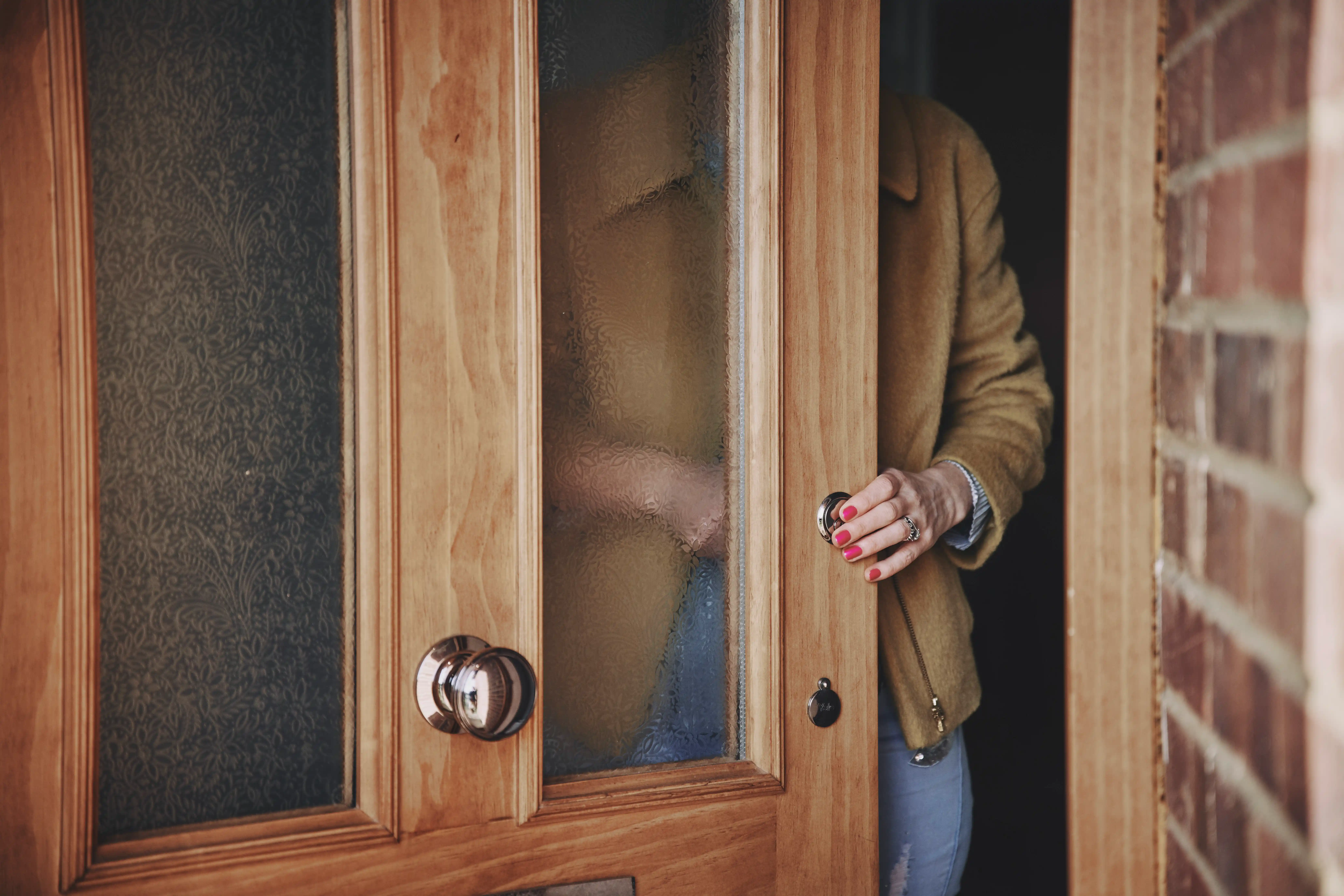
© ACCSYS
The result is independently tested to Class 1 durability under EN 113, the highest rating a timber can achieve — putting Accoya ahead of hardwoods traditionally used for premium joinery, including oak, iroko and sapele. It remains light, stable and easy to machine into fine glazing bar profiles and mouldings, which is exactly what window joinery demands.
We switched to Accoya as our default timber because we were tired of seeing beautifully made windows let down five or ten years later by rot at the sill or a swollen sash that wouldn't close properly. Accoya solves that problem at the material level, not just with better paint or better joinery.
As an Accoya Approved Manufacturer, we can offer a 50-year above-ground anti-rot warranty on qualifying installations. That figure isn't just a manufacturer's promise — independent testing by the UK's Building Research Establishment (BRE) has demonstrated a 60-year service life above ground without significant decay or loss of structural integrity.
Separately, TRADA shrinkage testing found Accoya moves roughly 3–4 times less than traditional wood species such as teak, sapele and Douglas fir. For a window, that means a flush joint that's tight on installation day stays tight ten, twenty, even fifty years later — rather than swelling shut in winter and rattling loose in summer.
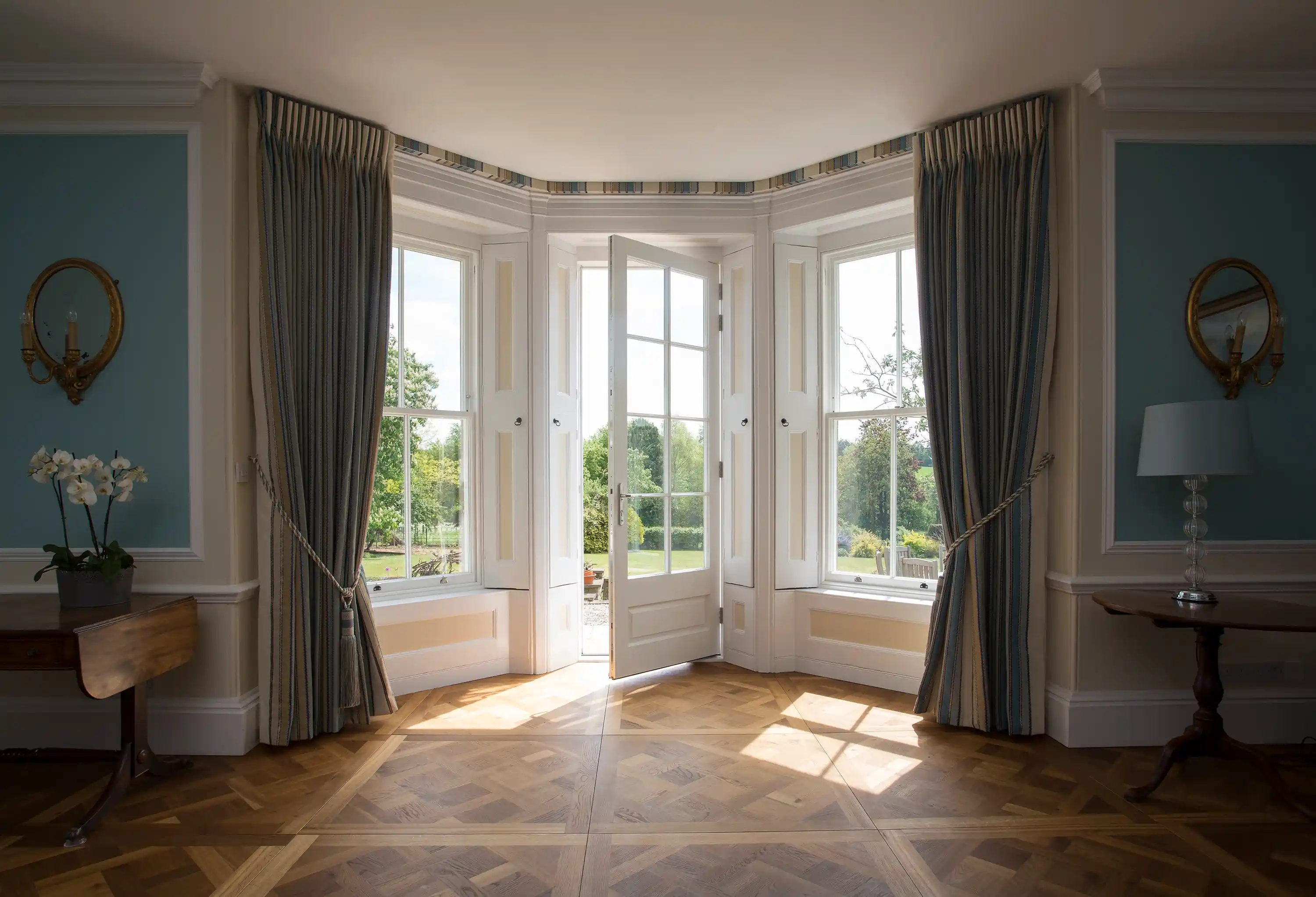
"Flush" refers to how the sash sits within the frame — flush with the outer face, rather than recessed behind it as with a traditional sash window. It's a look favoured on contemporary extensions, new builds, and renovations that want a clean, minimal sightline while still using real timber rather than aluminium or uPVC.
Flush design is unforgiving of timber movement. If the sash swells even slightly, it binds against the frame; if it shrinks, gaps open up and draughts follow. This is exactly where Accoya's dimensional stability matters most — a flush Accoya window keeps its tight, clean joint for decades rather than needing constant easing and adjustment.
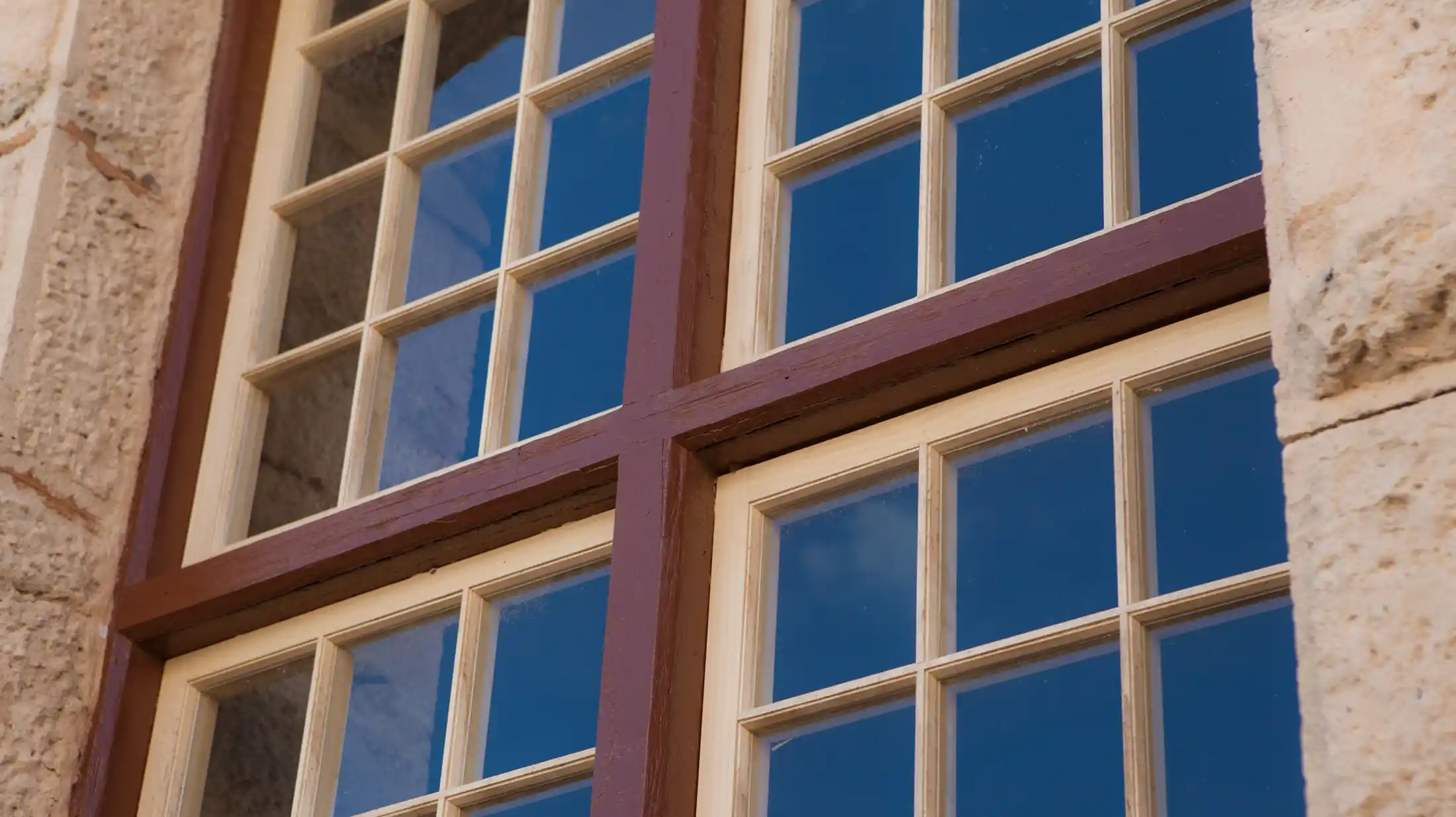
Accoya isn't just for flush, contemporary designs — it's fully paintable and can be worked into any traditional sash or casement profile, glazing bar pattern, or moulding, making it equally suitable for period properties and Conservation Areas.
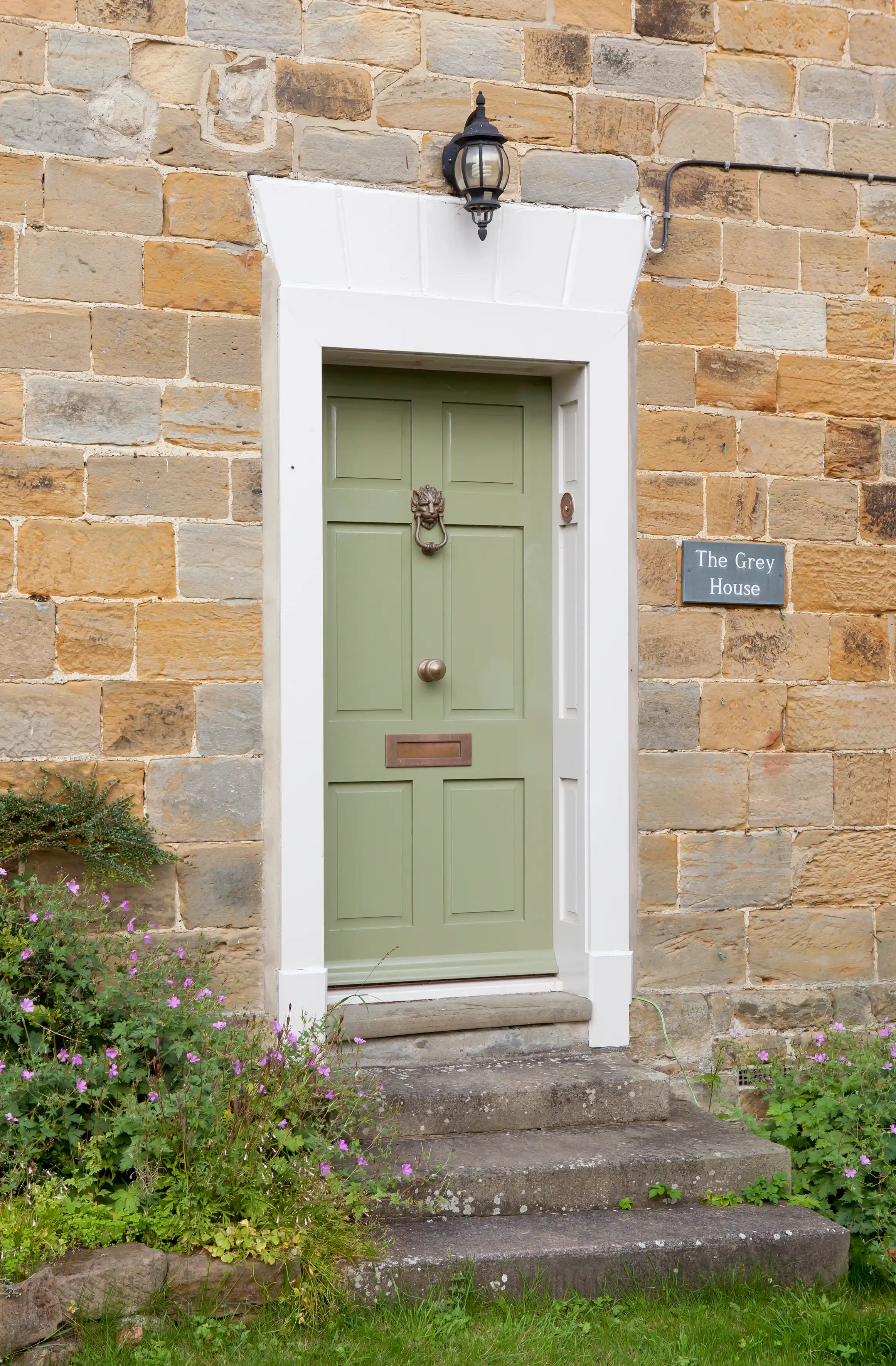
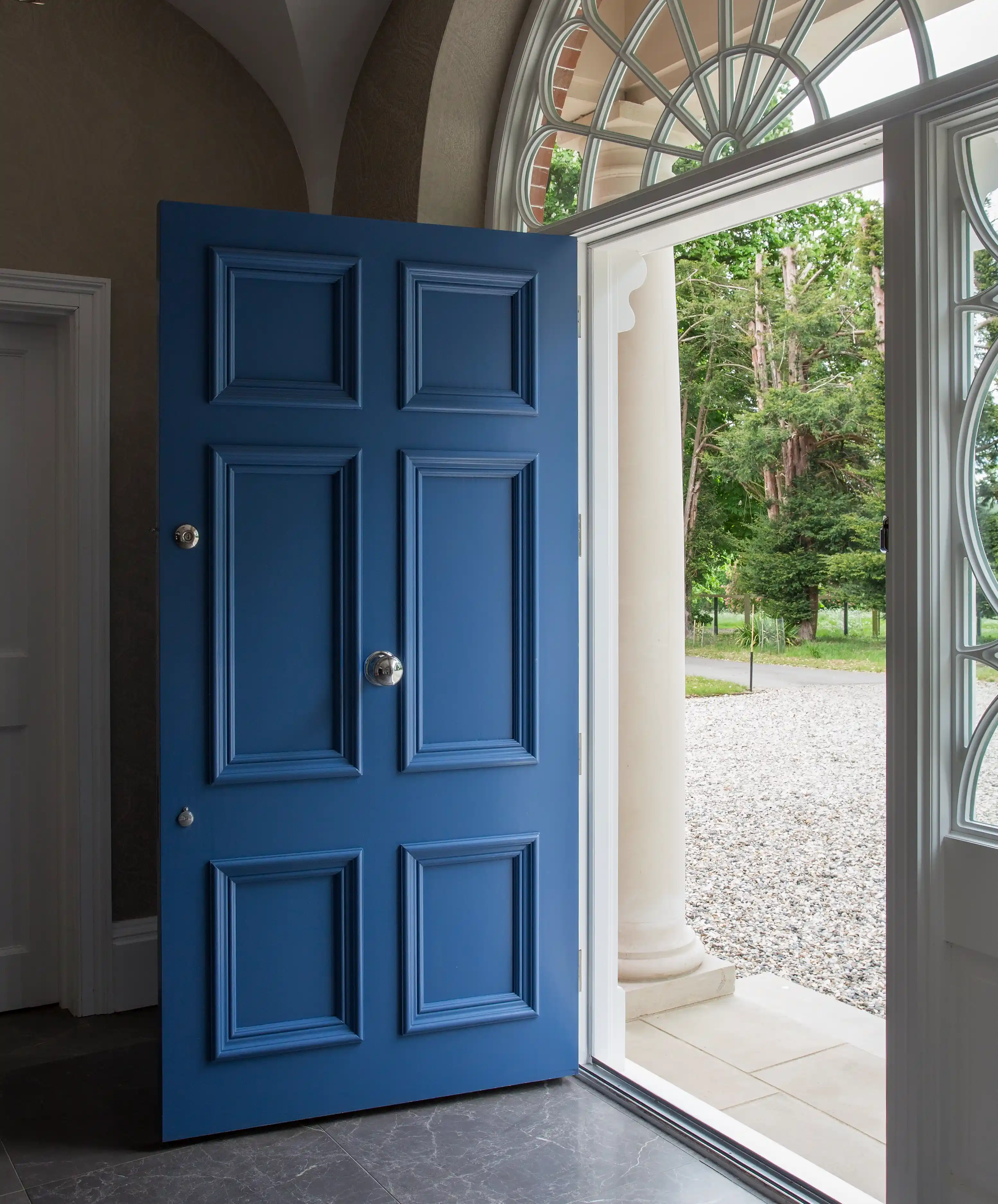
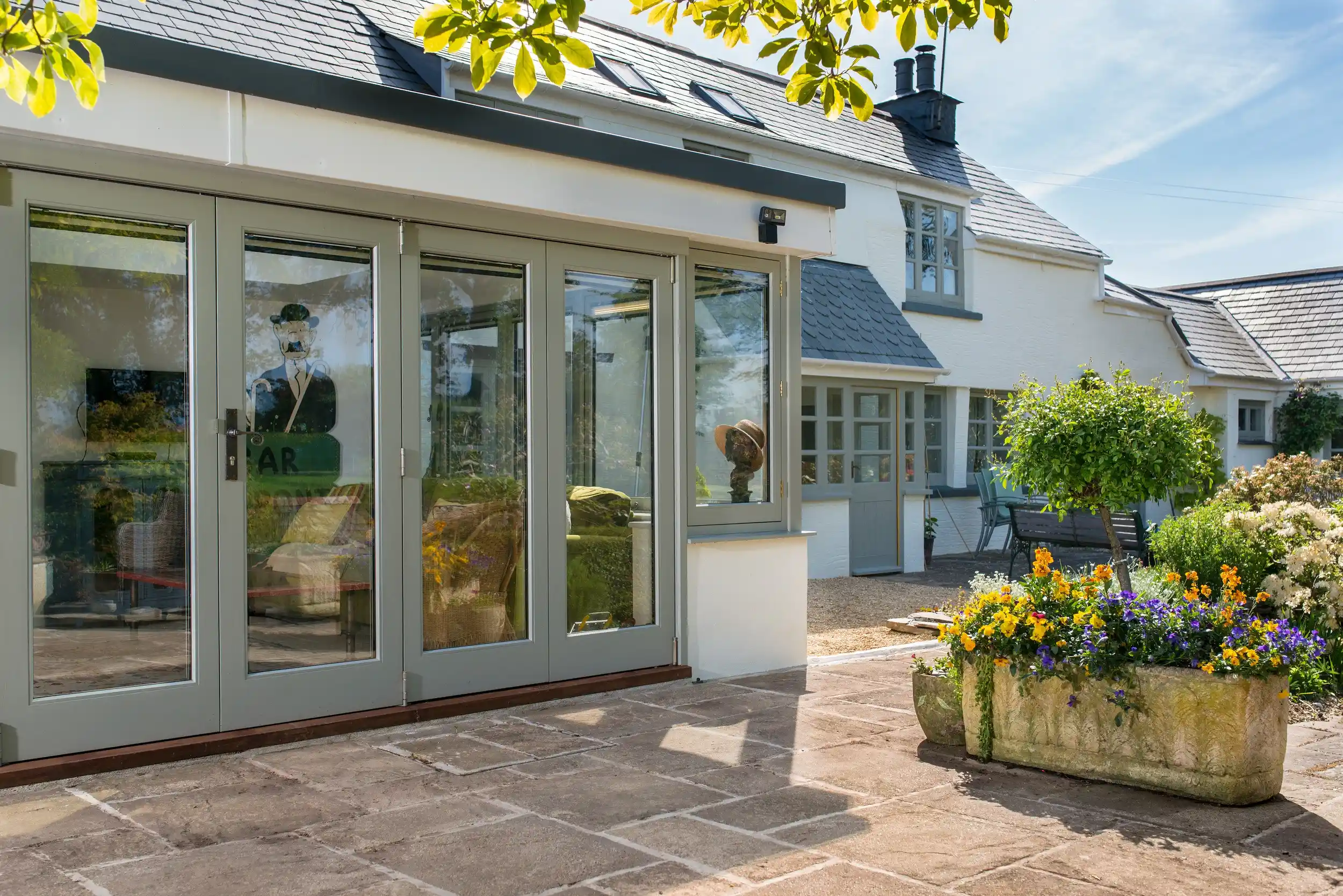
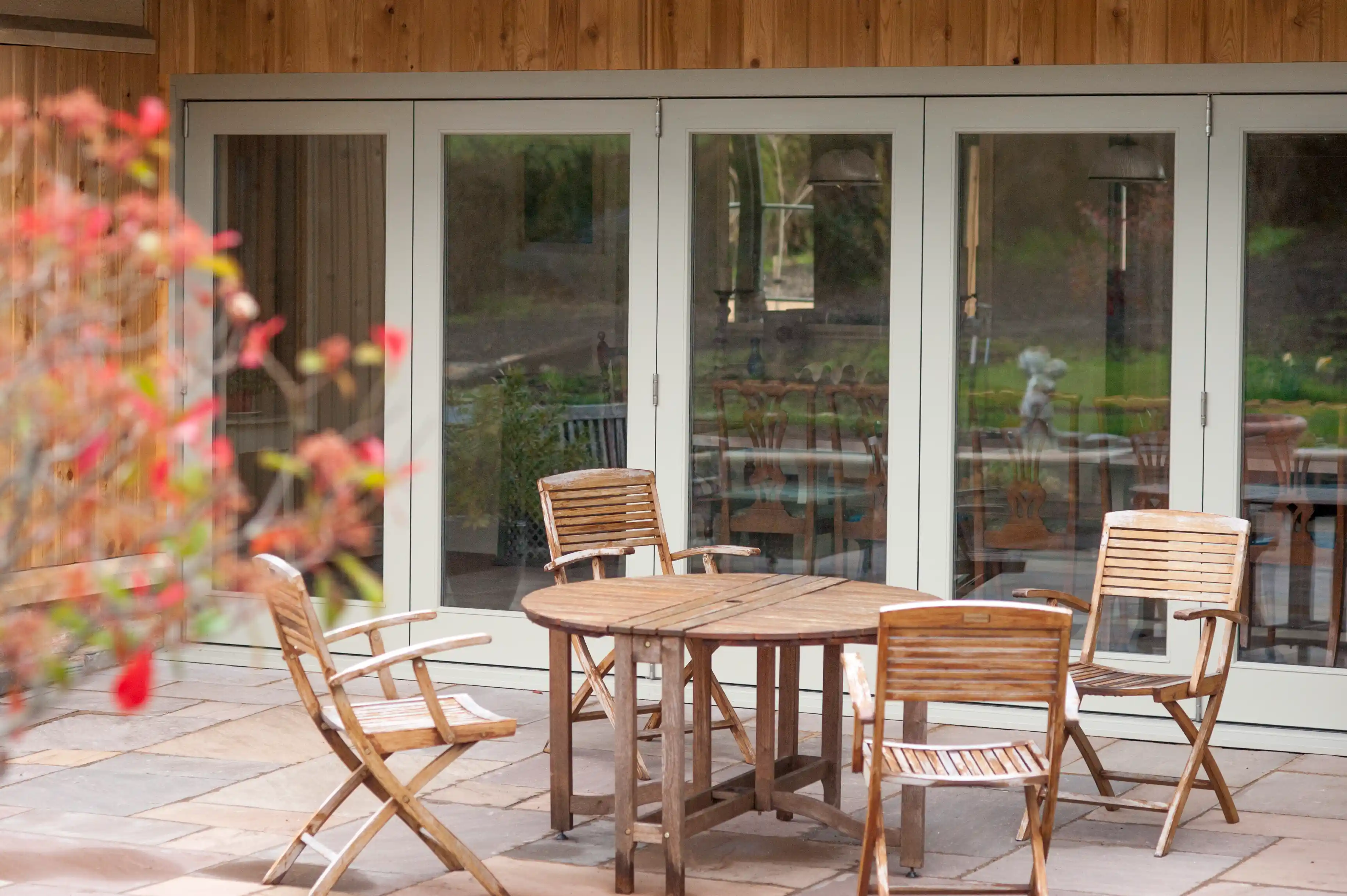
It's not just windows — we build entrance doors, French doors and bi-folds from Accoya as standard too. The same stability that keeps a flush window sash sitting correctly keeps a full-height door hanging true for decades, without the dropping and sticking heavier softwood doors are prone to.
Accoya is FSC certified from fast-growing, responsibly managed forests, and 100% recyclable at the end of its very long life. It's also certified Cradle to Cradle Gold — held for 15 consecutive years — and Platinum for Material Health, and is Red List Free, meaning every ingredient is transparently declared with no hazardous chemicals.
Whether you want a flush, contemporary design or a traditional sash profile for a period property, Accoya gives us a timber that will hold its shape and resist rot for decades. We're FENSA registered, Accoya Approved, and have been working across all London boroughs for over 15 years.
Get a Free Site SurveyThrough a natural process called acetylation, fast-growing softwood is enhanced to perform beyond the finest hardwoods — without the drawbacks. The science is simple: by changing the way the wood interacts with water, acetylation removes the root cause of swelling, shrinking, warping and rot.
The result is real, non-toxic wood that lasts for decades, stays dimensionally stable, and needs less maintenance. Even better, the process is circular — the only by-product is reused as vinegar for other industries.
Accoya behaves differently to standard softwood, and treating it identically is how installers waste its advantages. A few things we do as standard on every Accoya window and door:
Bare Accoya can be left to weather naturally in some applications, but joinery is more exacting. Every window and door is factory-coated with a proper paint or stain system to manage moisture at the frame joints for the long term.
Timber absorbs water fastest through its end grain. Every exposed cut edge on an Accoya frame is properly sealed as standard, not left to chance — particularly at corner joints where the wood is most vulnerable.
Accoya's natural acidity can accelerate corrosion in the wrong metal. We use A2/A4 stainless steel, naval brass, or coated fixings throughout — the same grades recommended for oak and western red cedar.
Google's Kings Cross headquarters features the world's largest timber and glass façade — 300 metres of Accoya mullions and shopfronts, completed in 2025. The timber specified for one of London's most scrutinised buildings is the same timber in every window and door we make.
Years of warranty — 50 above ground, plus 25 years even in ground or freshwater contact. No other window timber is backed this far.
Accoya can be treated to Euroclass B fire classification where a specification demands it — ask us about fire-rated applications.
From traditional sash windows and Georgian glazing bars to flush casements, panelled front doors and bi-folds — all in the same Class 1 durable timber.
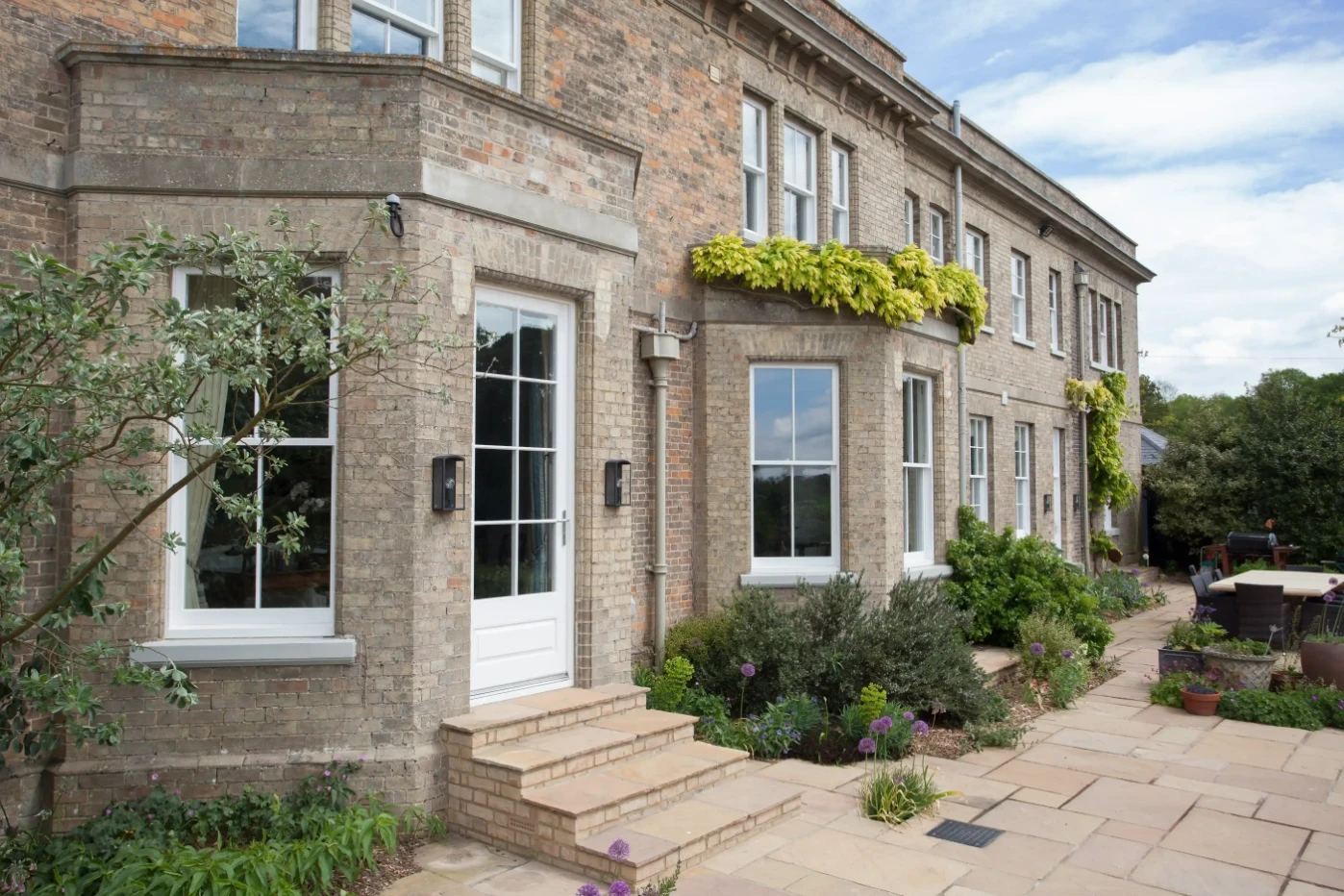
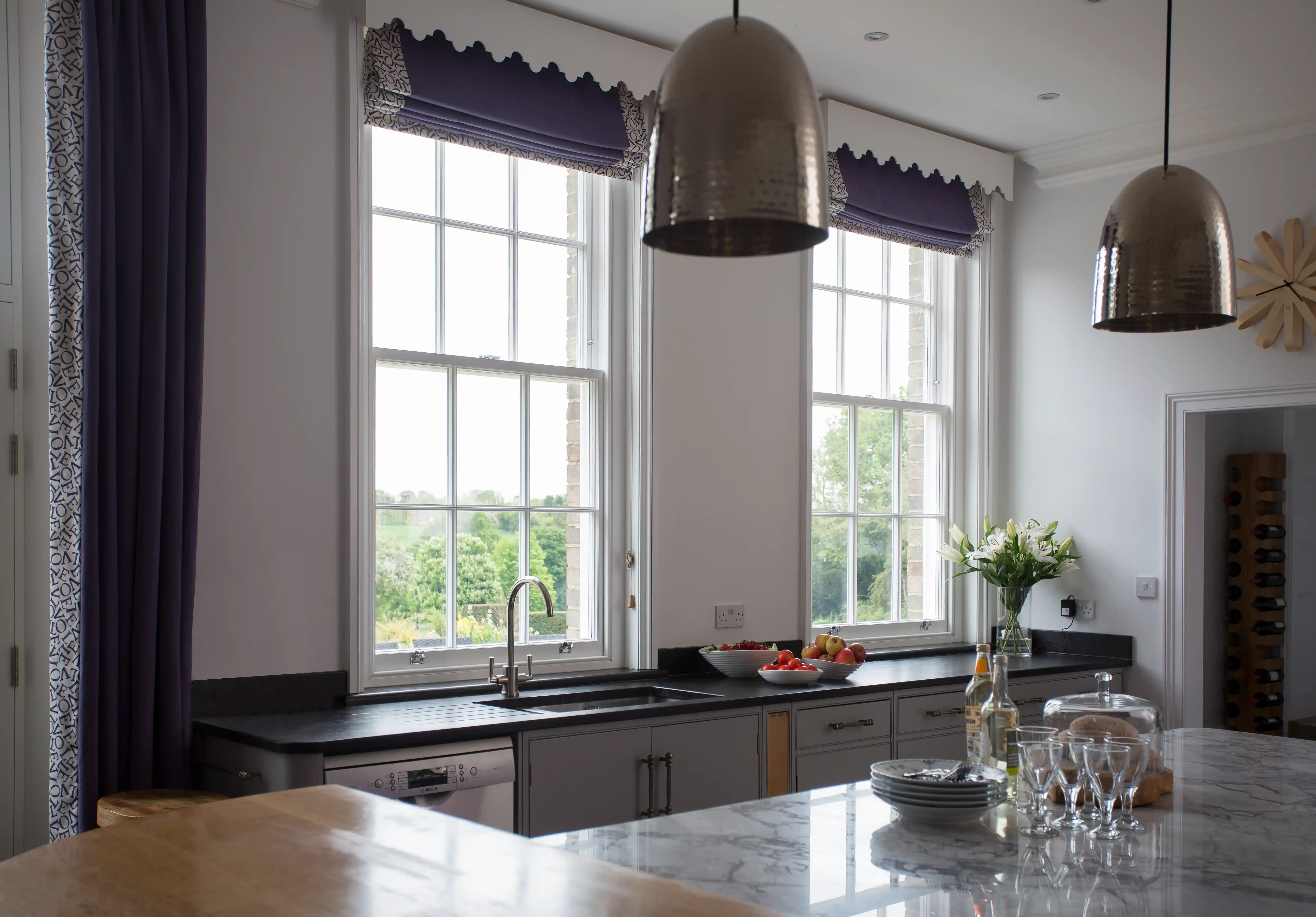
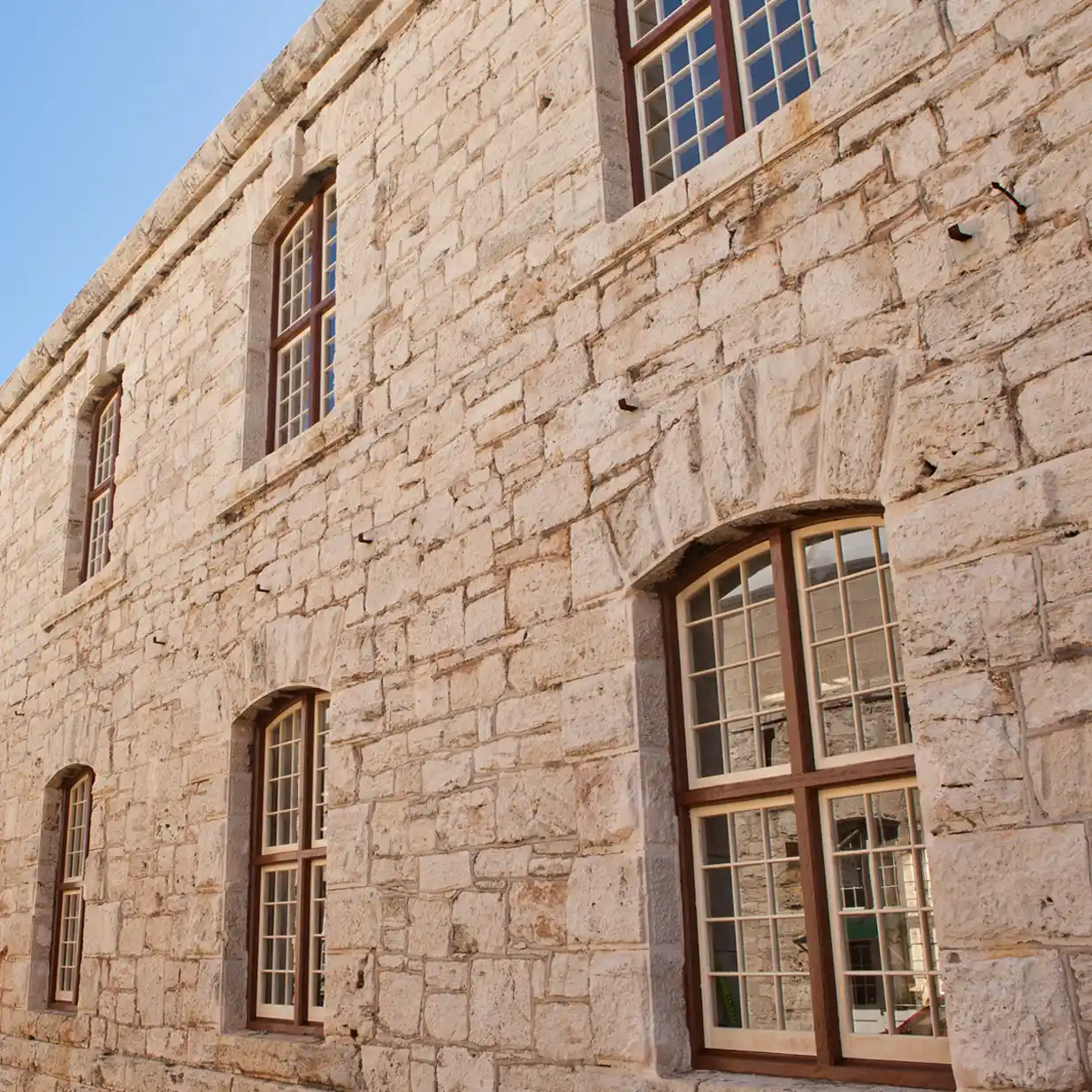
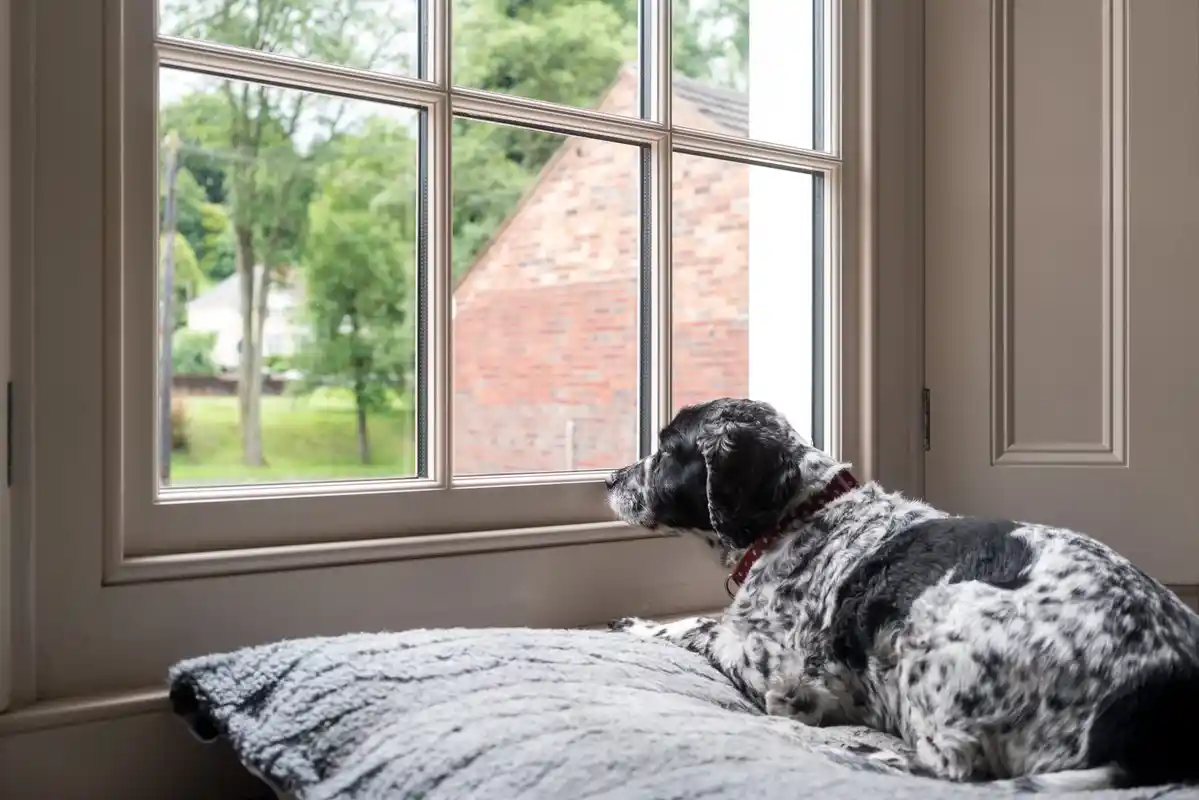
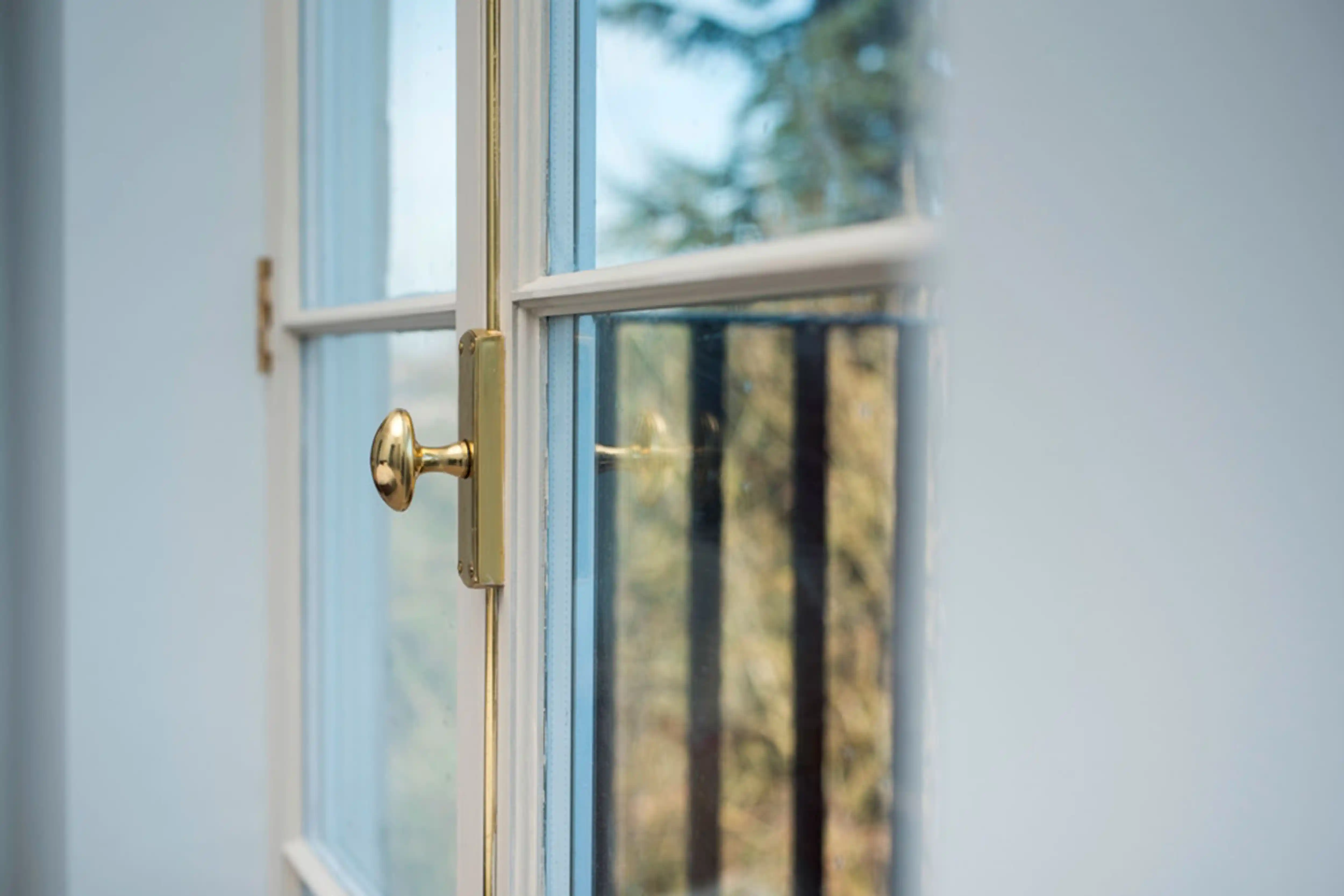
Independently tested figures from the official Accoya Wood Information Guide. Working to a specification? We're happy to talk through the details.
| Property | Value | Test Method |
|---|---|---|
| Durability | Class 1 — the highest rating, "very durable" | EN 113 |
| Expected service life | 60 years above ground | BRE independent testing |
| Warranty | 50 years above ground · 25 years in ground/freshwater | Accoya Certificate of Warranty |
| Shrinkage (wet to 65% RH) | 0.4% radial · 0.8% tangential — roughly 3–4× less than traditional species | ISO 4469 |
| Thermal conductivity | 0.12 W/m·K — a naturally better insulator than denser hardwoods | EN 12667 |
| Equilibrium moisture content | 3–5% at 65% RH, 20°C | — |
| Density | 515 ± 80 kg/m³ | 65% RH, 20°C |
| Structural strength class | C22 (A1 grade) / C16 (A2 grade), approved by DIBt | EN 338 |
| Use classes | Suitable for Use Classes 1–4 (interior through to ground contact) | EN 335 |
| Fire performance | Can be treated to Euroclass B where specified | EN 13501-1 |

As an Accoya Approved Manufacturer, we publish a joint Golden Ratio × Accoya brochure covering the timber, the acetylation process, the warranty, and what it means for your windows and doors. Download it free — no email address required.
Download the Brochure (PDF, 2.6 MB)We have helped hundreds of London homeowners preserve the proportions and character of their period properties.
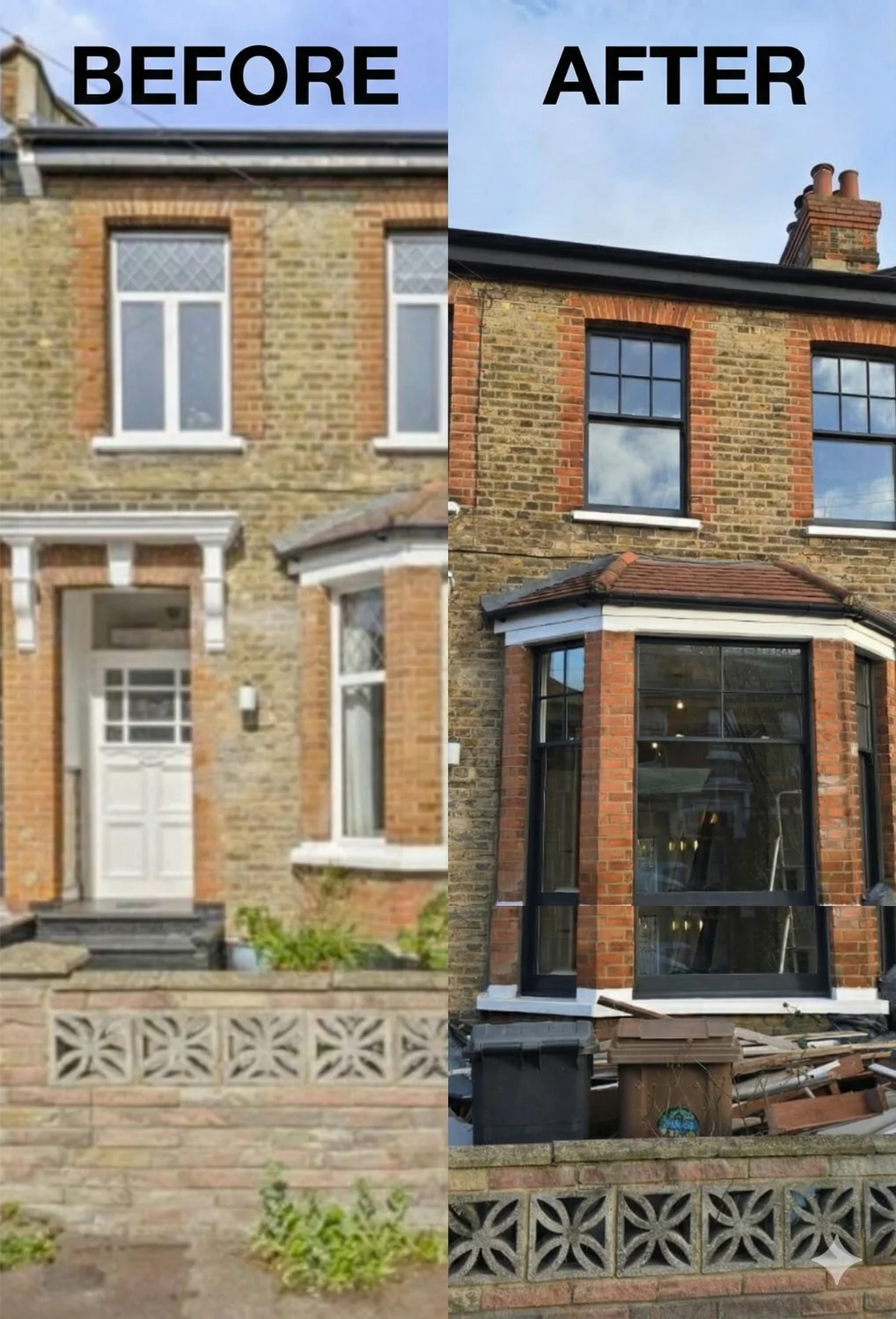
 Finsbury Park
"Saved our original Victorian windows when others said replace. Beautiful workmanship — our sash windows look brand new."
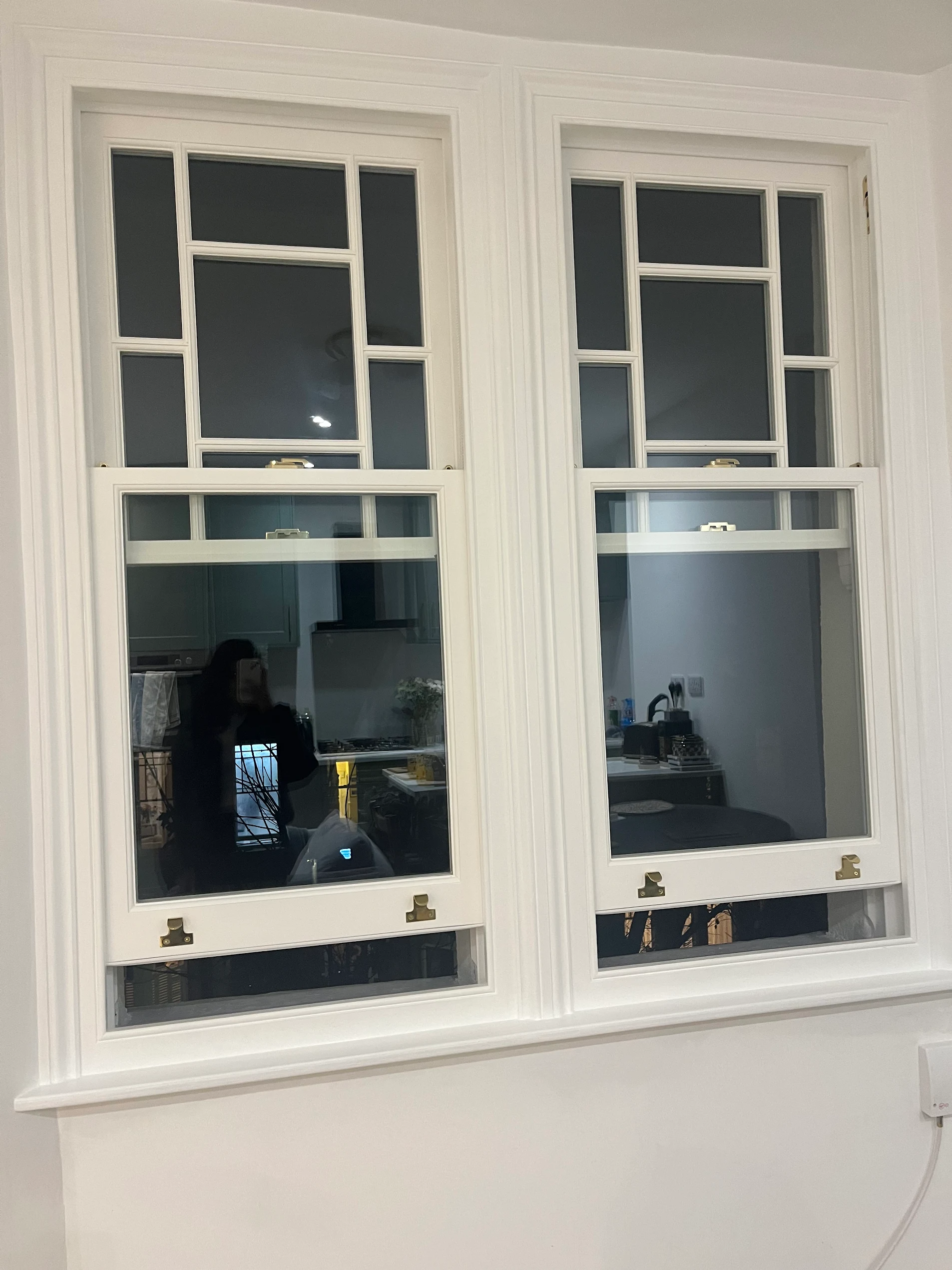
 Stoke Newington
"Draughts completely gone. Warm house for the first time in years. Fair price and they clearly know period properties inside out."
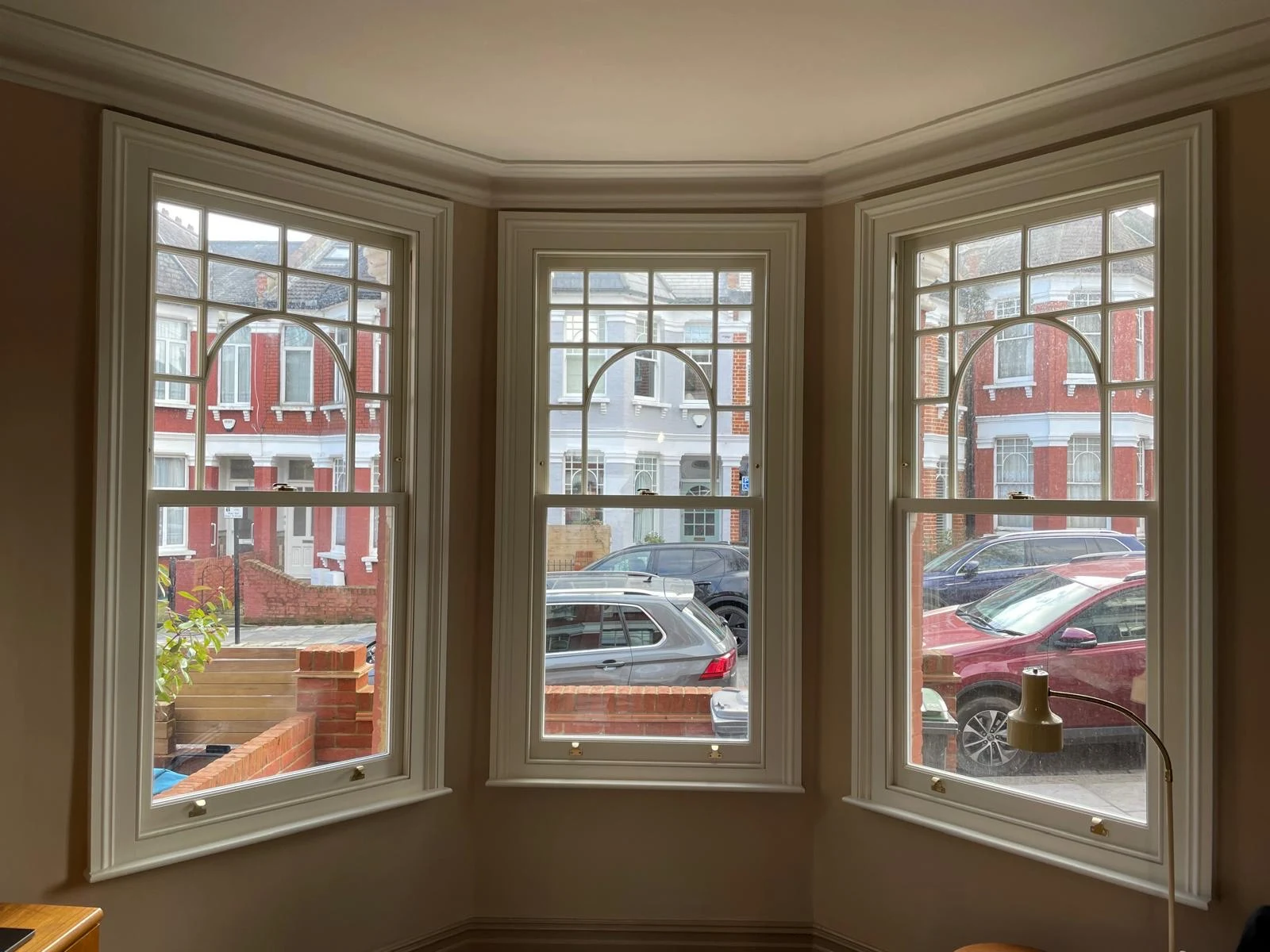
 Central London
"They completely replaced two windows in our Edwardian home. Friendly, communicative and done quickly — in just 2 days."
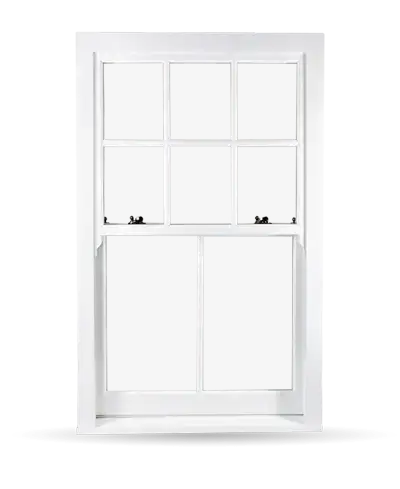
 North London
"The detailing is very well done and accentuates the property nicely. The whole front of the house looks much better as a result."
 Queens Park
"The window is perfect. I couldn't be happier."
Accoya is sustainably sourced softwood modified through acetylation, a patented process that replaces the wood's natural moisture-absorbing hydroxyl groups with moisture-repelling acetyl groups. The result is independently rated Class 1 durability — the highest rating available — outperforming hardwoods like oak, iroko and sapele, while remaining fully paintable and workable like traditional softwood.
Accoya windows and doors come with a 50-year above-ground anti-rot warranty — and Accoya is warranted for 25 years even in ground or freshwater contact. It isn't just a manufacturer claim — independent testing by the UK's Building Research Establishment (BRE) has demonstrated a 60-year service life above ground without significant decay. As an Accoya Approved Manufacturer, we can offer this warranty on qualifying installations.
Class 1 is the highest durability classification under EN 113 testing, the European standard for wood durability against fungal decay. Accoya achieves this rating while starting life as a fast-growing softwood, putting it ahead of naturally durable hardwoods such as oak, iroko and sapele that are traditionally chosen for premium exterior joinery.
Flush design means the sash sits flush with the outer frame rather than recessed within it, giving a clean, contemporary sightline. Accoya's dimensional stability makes it especially well suited to flush designs — it moves 3–4 times less than traditional timber with changes in humidity, keeping the flush joint tight for decades.
Yes — Accoya is fully paintable and can be worked into any traditional profile, glazing bar pattern or moulding, so it's suitable for both period sash windows in Conservation Areas and contemporary flush casement designs on new builds. See our listed building window guide for more.
Yes — entrance doors, French doors and bi-folding doors are built from Accoya as standard alongside our windows. The same dimensional stability that keeps a flush window sash sitting correctly keeps a full-height door hanging true for decades, without the dropping and sticking heavier softwood doors are prone to. See our entrance doors and French doors pages for more.
Yes. Accoya has a thermal conductivity of 0.12 W/m·K (tested to EN 12667), making it a naturally better insulator than the denser hardwoods traditionally used for windows. Combined with double glazing and proper draught sealing, Accoya frames help keep heat in during winter and reduce energy bills.
Yes. Accoya can be treated to Euroclass B fire classification (EN 13501-1) — the highest classification achievable for wood — using compatible fire retardant treatments, so it can meet demanding architectural fire specifications. We also manufacture certified fire-rated door sets.
Accoya typically costs more than standard softwood up front, but the extended lifespan, reduced maintenance and 50-year warranty make it excellent long-term value, particularly for exposed elevations or coastal properties where standard timber degrades faster.
Whether you want a flush, contemporary design or a traditional sash profile, we offer a free, no-obligation survey and quote across London.
218 Hornsey Road, London, N7 7LL
Fill in the form and we'll get back to you within one business day.
