
Menu
London's trusted window installation service — call us for a free site survey.

Get a quote
Get it wrong and you can lose planning consent, wreck your property's kerb appeal, or pay twice. Here's what to check before you commit.

No obligation · Free site survey · Reply within hours





We survey period properties across London every week — and the same ten mistakes come up again and again. Most are avoidable with the right advice before work starts.
Not sure if your windows need replacing at all? Read our repair vs. replace decision guide first — it's often the cheaper option.
Replacing the windows on a period property in London isn't like swapping windows on a modern new-build. Conservation area rules, listed building consent, matching glazing bar patterns and horn details, and the sheer number of installers offering to "just fit uPVC and be done with it" all raise the stakes. Get one of these decisions wrong and you're looking at a rejected planning application, a property that looks subtly — or not so subtly — wrong, or a bill you'll pay twice. Here are the ten mistakes we see most often, and how to sidestep every one of them.
The single biggest mistake we see is homeowners assuming "the windows are old, so they need replacing" without ever getting a joiner to look. Rot is very often local — a sill, a bottom rail, a section of a box frame — and can be spliced out and repaired for a fraction of the cost of full replacement. Original Georgian and Victorian joinery was typically built from slow-grown, dense timber that outperforms most of what's available today; keeping it, where possible, is usually the better long-term decision.
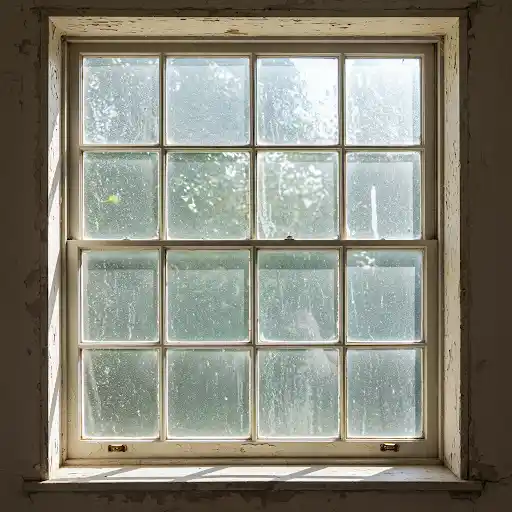
Before you get quotes for replacement, get a proper assessment. See our repair or replace guide for the full breakdown of when each option makes sense, and what both typically cost.
uPVC windows are usually cheaper up front, which makes them tempting. But on a period property they're almost always the wrong choice: the profiles are thicker than original timber sightlines, the sash horns are often glued-on mouldings rather than genuine joinery, and the material itself can't be repaired — only replaced. Buyers and valuers notice. Several London estate agents have told us uPVC windows on a period terrace can measurably knock value off a sale.
Modern engineered timber has closed the gap that once made uPVC attractive. We build every replacement sash in Accoya, a modified softwood carrying a 50-year anti-rot warranty and dimensional stability that rivals hardwood — while keeping the slim glazing bars and correct proportions a period property needs.

Read more about why we build exclusively in Accoya, and why it outperforms both standard softwood and uPVC.
This is the mistake with the most serious consequences. Replace windows without the right consent inside a conservation area, or on a Grade II listed building, and your local council can require you to remove and reinstate the original design — at your own cost. Many boroughs across North and Central London, including large parts of Islington, Hackney and Camden, have conservation area designations that homeowners simply aren't aware of until an enforcement notice arrives.
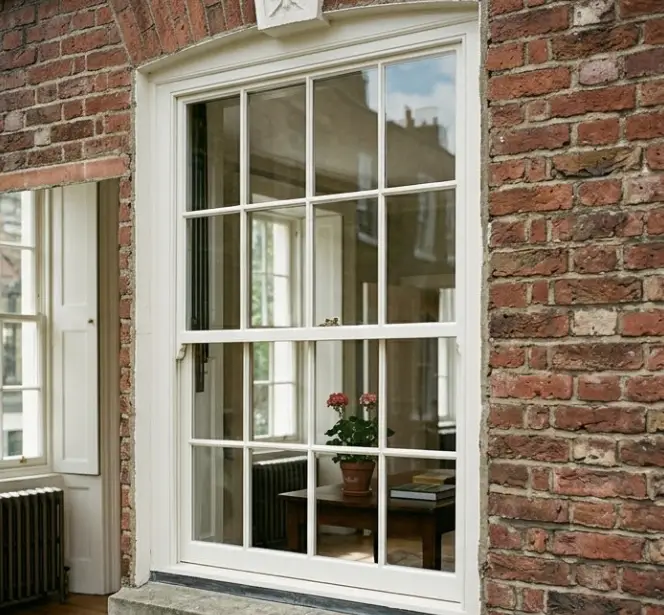
Always check with your local planning department before committing to a design, and read our guide on Grade II listed building window regulations for what "like-for-like" actually means in practice.
Even a well-built timber replacement can look wrong if the detailing doesn't match your property's era. Planning officers — and, frankly, your neighbours — will notice a horn-less sash on a Victorian terrace, or the wrong glazing bar pattern on a Georgian townhouse.
Small panes, slim glazing bars, typically six-over-six, and no horns. The glazing bar grid braced the sash, so horns weren't structurally needed.
Larger panes, often two-over-two, with horns added at the corners to reinforce the joint once the bracing glazing bars were removed.
A decorative multi-pane upper sash, often six-over-two, over a single large lower pane, with horns as standard.
See our full breakdown of sash window horns explained and how to identify your sash window type before you agree a design with any installer.
Not all "timber windows" are equal. A quote built on standard, kiln-dried softwood can look almost identical on paper to one built on a modified timber like Accoya — but the softwood version can start to rot within a decade in London's damp climate, while a properly specified replacement should last 50 years or more. Always ask exactly what species and grade of timber is being used, and what warranty backs it.
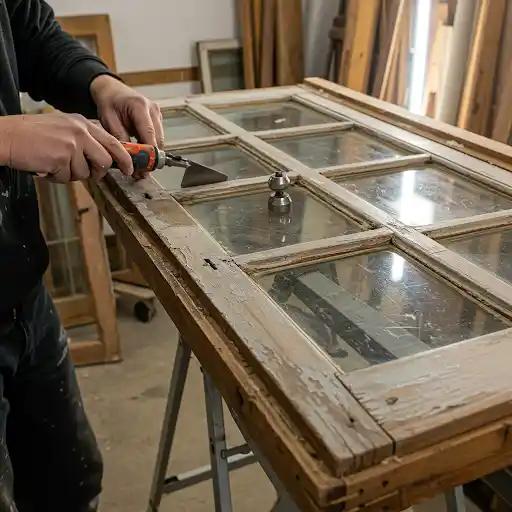
A cheaper quote today that needs replacing again in 8–10 years is rarely the cheaper option overall. Ask us about our Accoya specification and 50-year warranty before comparing prices.
A rattling, draughty sash window feels like a strong argument for replacement — but it's very often a sign of worn or missing brush seals and a loose parting bead, not a failed window. Professional draught-proofing can cut heat loss through a window by up to 50%, eliminate rattling, and noticeably reduce street noise, all without replacing a single sash.

Before booking a full replacement for comfort reasons, see what draught-proofing can achieve on its own — it's usually a single day's work per window.
Replacing a window is notifiable work under Building Regulations. A FENSA-registered installer self-certifies the work and issues the certificate you'll need when you come to sell the property — skip this and you may have to pay for a retrospective Building Regulations inspection, or find yourself unable to prove compliance during conveyancing years later. It's a five-minute check that most homeowners simply forget to make.
"Are you FENSA registered, and will I receive a certificate?" If the answer is vague, treat it as a red flag — not just a compliance issue, but a sign of how the rest of the job might be run. Golden Ratio is fully FENSA registered on every replacement job we carry out.
Most period window replacement happens while the property is lived in — and it's more disruptive than people expect if the installer doesn't manage it properly. Dust, open frames overnight, and trades moving through the house can turn a straightforward job into weeks of stress if there's no plan for protecting floors and belongings or managing security between fitting stages.
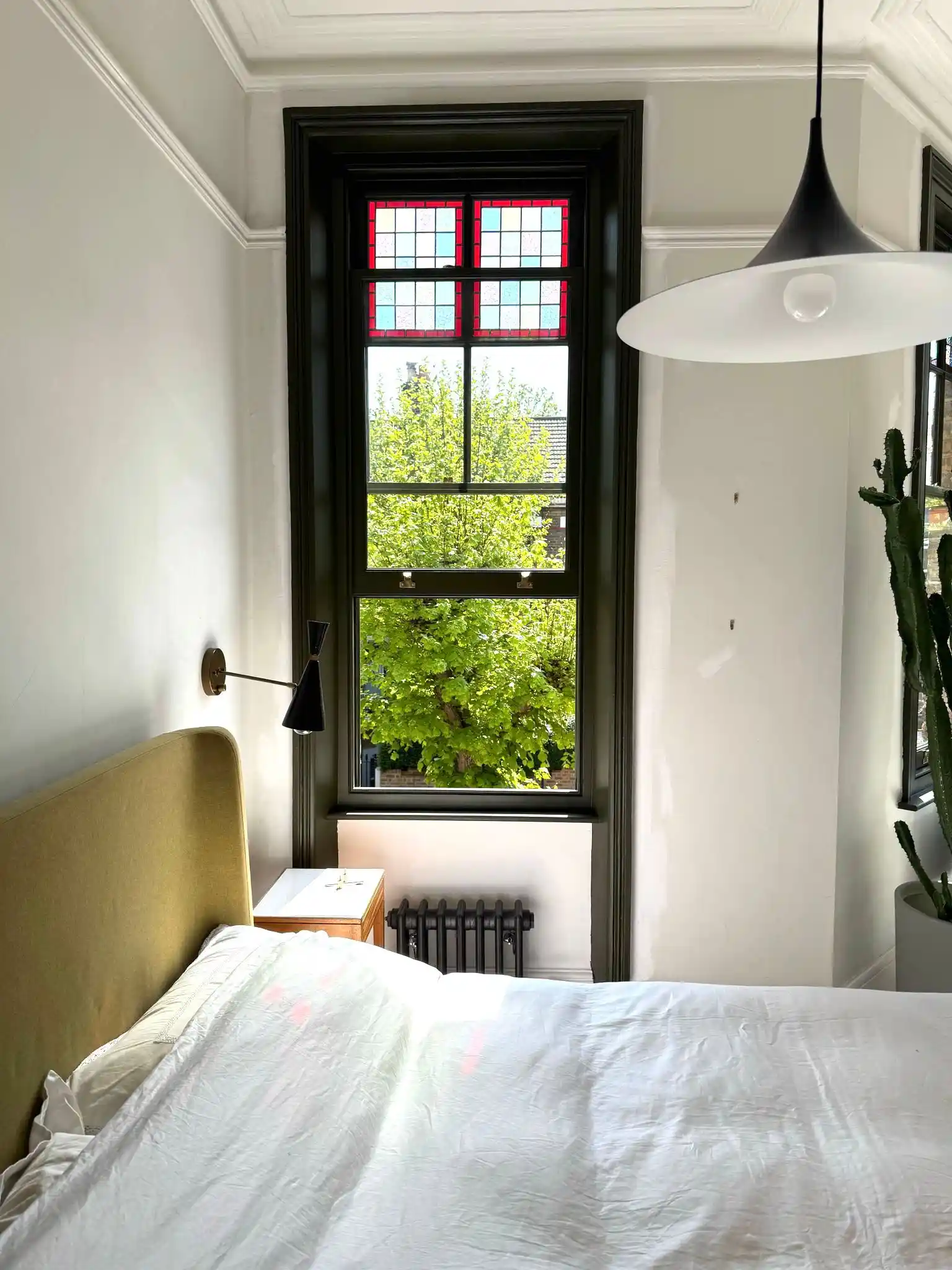
Ask upfront how the installer manages occupied homes — see our own Minimum Disruption protocol for what that should look like, particularly if you're a landlord with tenants in situ.
Not every period sash needs the same glazing spec. Properties on busy roads often benefit far more from acoustic glass than standard double glazing; on listed buildings, planning officers frequently require a slimline or vacuum-glazed unit that preserves original sightlines rather than a thick modern unit that changes the window's proportions. Accepting whatever glass an installer defaults to can mean paying for performance you don't need — or missing performance you do.
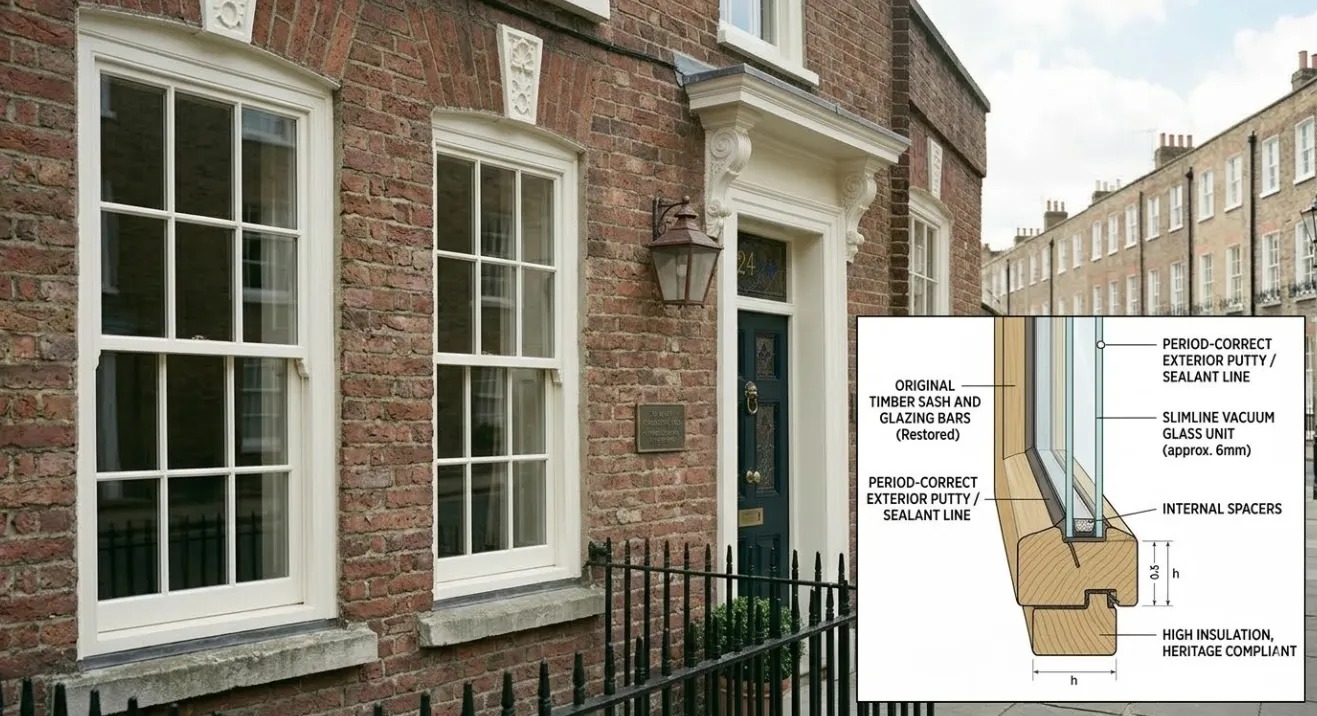
Compare your options in our guides to sash window glass types and acoustic glass for sash windows before agreeing a spec.
A quote given over the phone or from a photo can't account for out-of-square openings, existing rot, or access constraints on a period property — all of which change the price and the plan once work starts. Insist on a free, in-person site survey before signing anything, and get the guarantee in writing rather than taking it on trust.

See our 10-point installation guarantee for what a stress-free process should include, start to finish.
Every mistake on this list comes from the same root cause: deciding on a solution before properly assessing the problem. The better approach is straightforward — get a specialist to survey the windows, check what conservation or listing status applies to your property, and understand your full range of options (repair, draught-proofing, secondary glazing, or full replacement) before choosing a route.
We offer a free, no-obligation site survey across Greater London, and we'll always tell you honestly if repair or draught-proofing is a better option than replacement — even if it means a smaller job for us.
It depends on whether your property is in a conservation area or listed. Outside these designations, replacing windows on a like-for-like basis usually doesn't need planning permission. Inside a conservation area or on a listed building, you'll typically need consent, and replacements normally have to match the original design. Always check with your local council before committing.
Timber is almost always the better choice for a period property. It matches the original sightlines and glazing bar detail, can be repaired rather than replaced when damaged, and modern species like Accoya carry warranties comparable to uPVC while preserving the character that gives period homes their value.
Timber sash window replacement typically starts from around £1,200–£1,800 per window depending on size, glazing specification, and detailing, with listed building or conservation area work often costing more due to bespoke joinery requirements. A free site survey will give you an accurate figure for your property.
In most cases, repairing original timber sash windows is better value and more sustainable than replacement, particularly for period properties. Full replacement makes sense when the frame or box has extensive structural rot, or when you're upgrading to double glazing across the property. A specialist survey will tell you which applies to your windows.
FENSA is the scheme that lets registered installers self-certify replacement windows as compliant with Building Regulations, without a separate council inspection. You'll need the certificate when you sell your property, so always confirm your installer is FENSA registered before work begins.
Get in touch for an honest assessment of your period windows — and a free, no-obligation quote for whichever option genuinely suits your property.
218 Hornsey Road, London, N7 7LL
Fill in the form and we'll get back to you within one business day — usually much sooner.
